


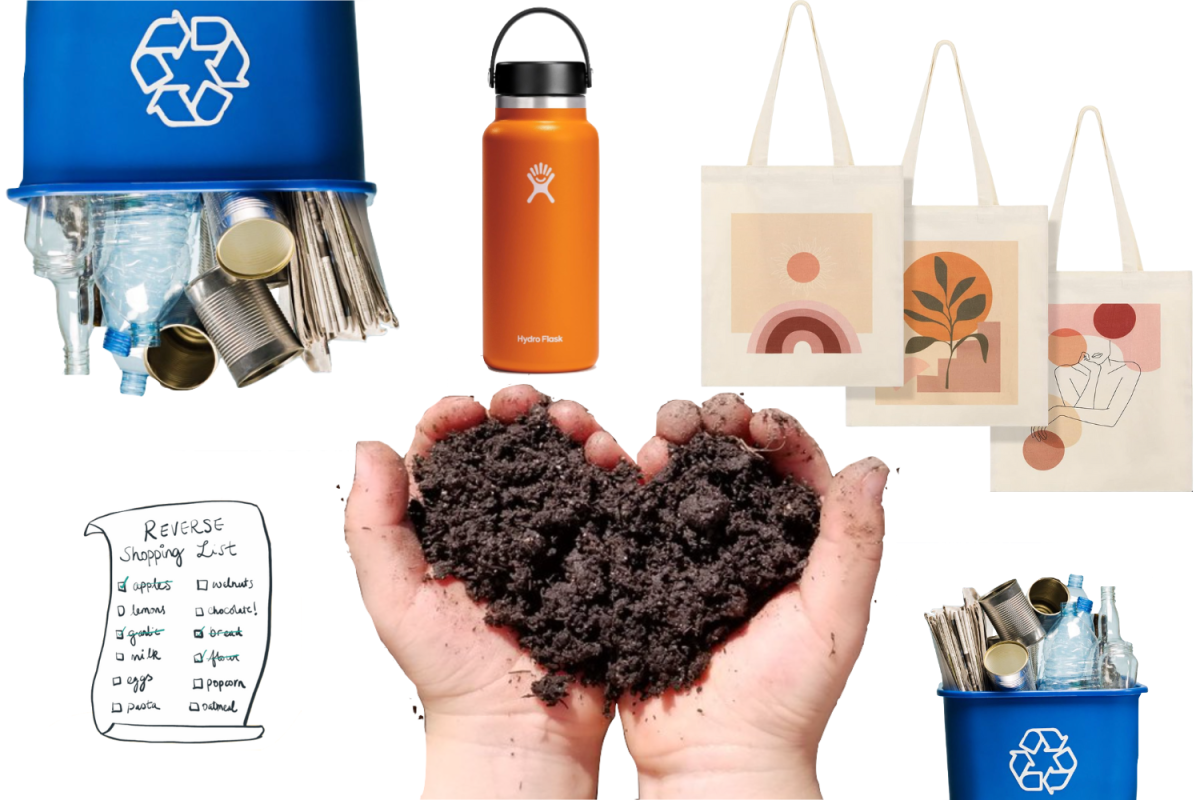
Reducing waste is a challenging but crucial task that requires consistent effort. As the new year begins, developing sustainable habits to minimize waste can have a significant and positive impact. Taking steps to reduce waste not only helps protect the environment by decreasing pollution and conserving resources but also creates a healthier world, according to barnarecycling.com.
Making small, intentional changes, such as recycling, composting, reducing single-use plastics, or repurposing items, allow a contribution to a cleaner, greener world while inspiring others to do the same. By addressing waste at its source and adopting sustainable practices, households become havens of environmental stewardship. This collective effort safeguards immediate surroundings and the planet at large, creating a legacy of sustainability for generations to come. Here are a few simple tips to help begin waste reduction.
1. Use reusable shopping bags
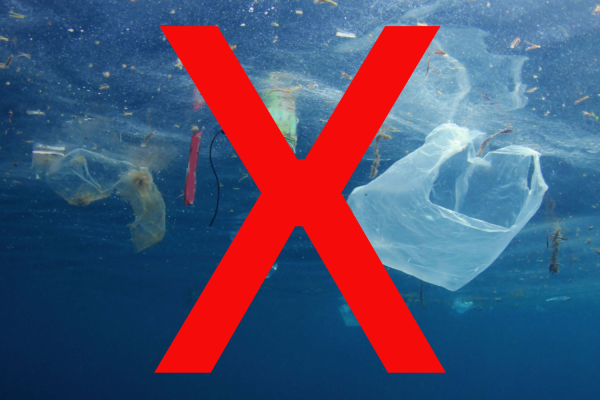
Plastic bags often find their way into oceans, rivers, and forests where animals can mistake them for food or become entangled in them. Using reusable bags helps minimize this threat to all animals.
2.Make a weekly meal plan and shopping list
Meal planning allows for every ingredient to be fully used, purposefully and efficiently. This minimizes the amount of food that ends up in the trash.
3. Avoid items in wrapped plastic/single-use plastic
Single-use plastics, like straws, bags, bottles, and packaging take hundreds of years to degrade. Avoiding them helps to reduce the accumulation of waste that lingers in landfills and natural environments. Avoiding items wrapped in plastic reduces the demand for single-use plastics, encouraging retailers to create more eco-friendly packaging alternatives.
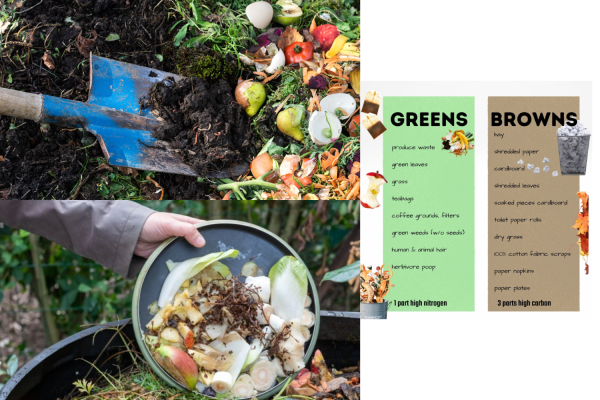
4. Start composting at home
Composting at home reduces landfill contribution and decreases methane emissions. Organic waste decomposes without oxygen, producing methane gas, a potent greenhouse gas. Composting minimizes methane gas production.
5. Replace soap bottles with bars
Companies sell bar soaps with minimal or no packaging, unlike liquid soaps, which come in single-use plastic bottles. Buying bars reduces plastic waste significantly. Also, the production of bar soaps requires less energy and typically has a smaller carbon footprint compared to liquid soaps.
6. Buy second hand
Buying second-hand decreases demand for new items, conserving the raw materials and energy required for manufacturing. Buying and selling used goods supports a more sustainable, resource-efficient economy.
7. Switch to digital documents
Digital documents eliminate the need for printed materials, significantly reducing paper usage. Also, digital files do not require physical shipping or delivery, lowering carbon emissions.
Featured Image by Casey Smith ’26