



Youth-led movements across Africa are more than just bursts of protests. They are part of a growing push for justice and accountability, according to wacsi.org. Even in the face of police violence, censorship, and systems that tend to work against the people, young activists are stepping up, both on the ground and across digital platforms. From Lagos to Dakar, the youth are not only speaking out against individual acts of abuse but also confronting deeper patterns of corruption and authoritarian control, according to unesco.org. These instances are not just moments, but they are part of a broader, youth-driven wave of resistance powered by resilience, creativity, and connection, according to un.org.
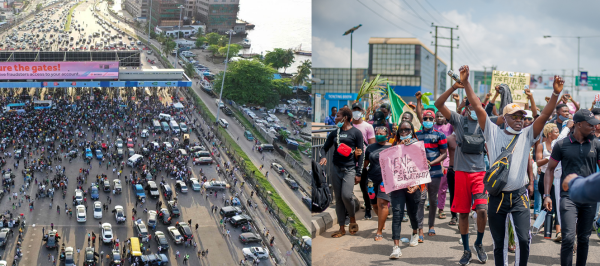
From Nigeria to Sudan to Senegal, young people have taken to the streets and the screens to protest authoritarianism, censorship, and police brutality, according to unesco.org. Often under dire circumstances, these youth-led movements demand transparency, justice, and reform. In Nigeria, the “#EndSARS” protests that began in October 2020 are a defining example of such. The hashtag emerged in hopes to spur action towards the disbanding of the Special Anti-Robbery Squad (SARS) accused of brutality, extortion, and murder, the movement soon evolved into a broader outcry against government impunity, according to The New York Times. Although SARS had been “disbanded” several times before, this time the protests gained momentum. They were larger, youth-driven, and globally visible.
In Senegal, young activists protested the sudden postponement of the 2024 presidential election, according to bbc.com. Their swift and large-scale action pressured the government to reverse its decision, which was an unprecedented move that signaled the power of collective youth action. In Uganda, despite government crackdowns and arrests, youth movements continue to challenge the longstanding regime of President Yoweri Museveni, according to epicenter.wcfia.harvard.edu. Activists like Bobi Wine, a pop star turned politician, have galvanized young Ugandans to demand democratic reforms.
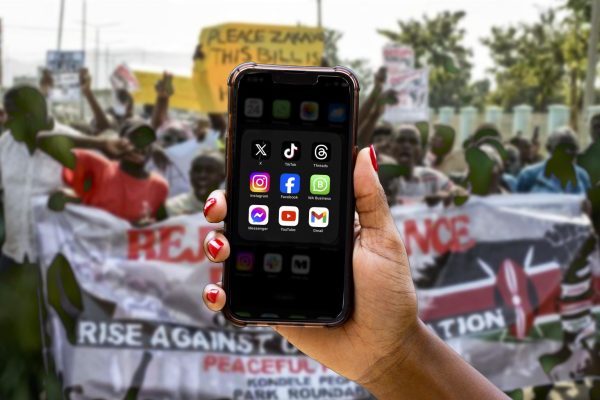
At the heart of these movements lies the innovative use of social media, according to hivos.org. Platforms like Twitter, Instagram, and TikTok have become powerful tools for organizing protests, sharing evidence of abuses, and gaining international solidarity. During the “#EndSARS movement,” viral videos showing police violence spread rapidly, prompting support from global celebrities, the United Nations (UN), and human rights organizations. Social media also allows youth movements to circumvent state-controlled media and censorship, creating decentralized, grassroots campaigns that are hard to silence, according to medium.com. Activists have used memes, dance challenges, and trending hashtags to spread their message and engage broader audiences.
Despite their innovation, young activists in Africa face serious challenges. Many risk imprisonment, intimidation, and even death for their activism, according to amnesty.org. During the “#EndSARS protests,” dozens died and many obtainted injuries, particularly in the Lekki Toll Gate shooting in Lagos, October 20, 2020, according to bbc.com. International investigations confirmed disproportionate use of force and violations of free speech, assembly, and human dignity. In Zimbabwe, youth-led protests against corruption and economic mismanagement faced internet blackouts, arrests, and violence, according to freedomhouse.org. The risks remain high, but the youth remain resilient.
These youth-led movements across Africa are not just momentary protests, but they are part of a larger wave of resistance. Despite threats, censorship, and violence, young people continue to rise with courage, creativity, and unity. Their fight is not simply against individual policies or rogue police units but it is a fight against systems built to work against the people on, according to wacsi.org. Senior Starr Ramsey Boursiquot, Club Head of Model United Nations (MUN), gave her insight on the importance of youth representation and the power of their actions. She discussed valuable lessons that she learned from the MUN club’s trip earlier this year to the United Nations headquarters.
“It was very impactful to hear from all the delegates from each country and listening to them actively advocate for their countries needs,” Starr said. “It was also very impactful to learn about the inclusive decision making that ensured that policies reflect the needs of those most affected and people whose voices need to be heard.”
Featured Image by Catherine Ononye ’27
