
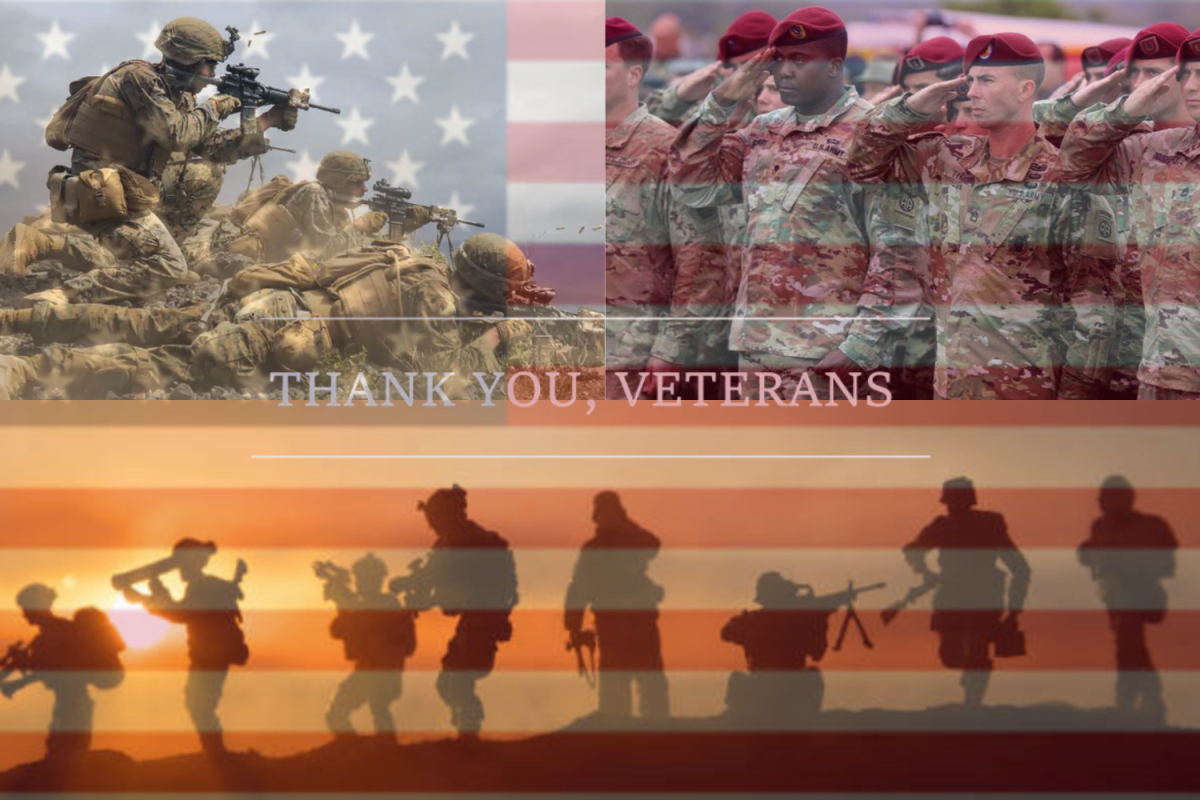
Veterans who serve in the United States (US) military risk their lives to protect the country. The violence and hardship veterans endure while in the military often leave them in a vulnerable state when returning to civilian life. The US recognizes Veterans Day to honor these sacrifices and show support for veterans, according to military.com.
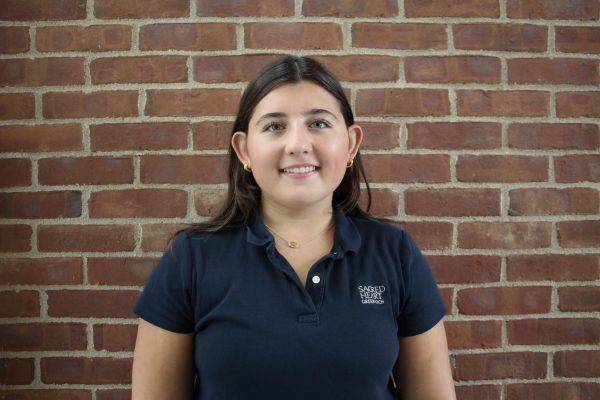
The fighting of World War I (WWI) ended on the Western Front November 11, 1918, and the day became known as Armistice Day. The US recognizes those who fought during the end of the war on this holiday. After World War II (WWII), Armistice Day changed to Remembrance Day to honor all soldiers, rather than just WWI veterans. President Dwight David Eisenhower signed a bill in 1954 renaming November 11 as Veterans Day to honor all US veterans for their patriotism, according to department.va.gov. Sacred Heart Greenwich sophomore Maeve Gallary expresses an interest in the military and a deep respect for veterans. Maeve reflects on her esteem for veterans.
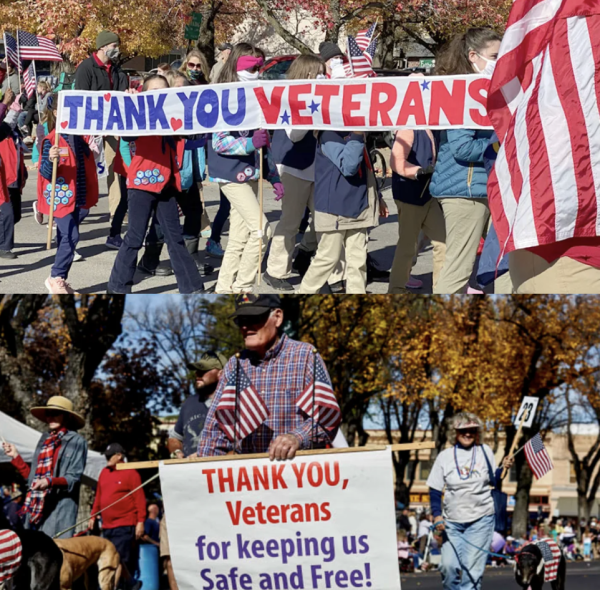
“I think their selflessness and their sacrifice [inspire] me,” Maeve said. “Committing themselves to service with the possibility that they could die in the line of duty or [while] protecting our country is a very admirable trait.”
The high stress veterans experience while deployed, combined with the trauma they face in war, can make returning to everyday life challenging. Some difficulties veterans encounter include depression, anxiety, post-traumatic stress disorder (PTSD), and traumatic brain injury. One in five veterans from the Afghanistan and Iraq wars experience PTSD or depression. Among deployed veterans, 44 percent have a hard time adjusting to life after serving, according to nvhs.org. These conditions can disrupt even routine activities, leading to workplace conflicts and strained relationships. Depression may lead to a lack of motivation to engage in necessary tasks or activities individuals previously enjoyed. It can also result in difficulty finding work, which can sometimes lead to homelessness, according to nvhs.org.
The Department of Veteran Affairs (VA) National Center for PTSD provides support for veterans suffering from the disorder. Professionals at the center use research and training in science to diagnose and treat PTSD in veterans. Dr. Paula Schnurr, the center’s Executive Director, specializes in psychotherapy research. She has conducted PTSD treatment clinical trials, including studies with female veterans and active-duty personnel, according to legion.org. Dr. Schnurr explained the center’s mission.
“The National Center for PTSD’s mission focuses on improving clinical care and social support for veterans and others affected by trauma or PTSD through research, education, and training,” Dr. Schnurr said, according to legion.org. “The center ensures the latest scientific research findings are applied to clinical care, leveraging expertise from various fields to address PTSD’s complexities. Its research, education, and consultation activities center on five operational priorities: biomarkers; PTSD and suicide; treatment efficiency, effectiveness, and engagement; systems of care; and implementation.”
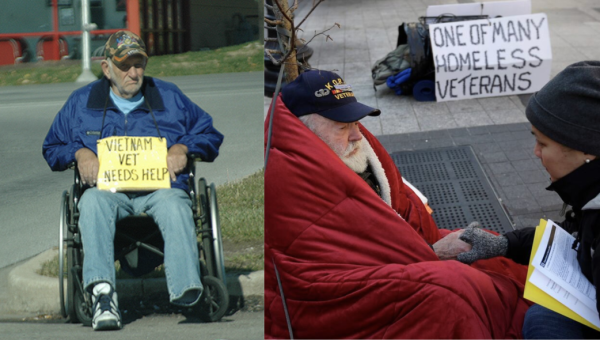
The challenges veterans face highlight their need for support. Veterans are often grateful for recognition, with a simple ‘thank you’ or personalized card on Veterans Day, according to woundedwarriorproject.org. Maeve discussed why she believes recognizing Veterans Day is important and how she shows respect for veterans.
“I do small things, like if I see a veteran with a WWII [hat] or a Vietnam hat, I always say ‘thank you for your service,’” Maeve said. “They’re always grateful. I think small things like that help. I did the Tunnels to Tower run, so that was pretty big. I think raising money for organizations like that is [helpful]. I’ve always thought [recognizing Veterans Day] was important because veterans gave their [all] and themselves to our country. I’ve always thought that people don’t do enough to recognize them, so I think it’s very important to give them the recognition they deserve for how much they give up for us.”
Featured Image by Eleanor Kelleher ’28