
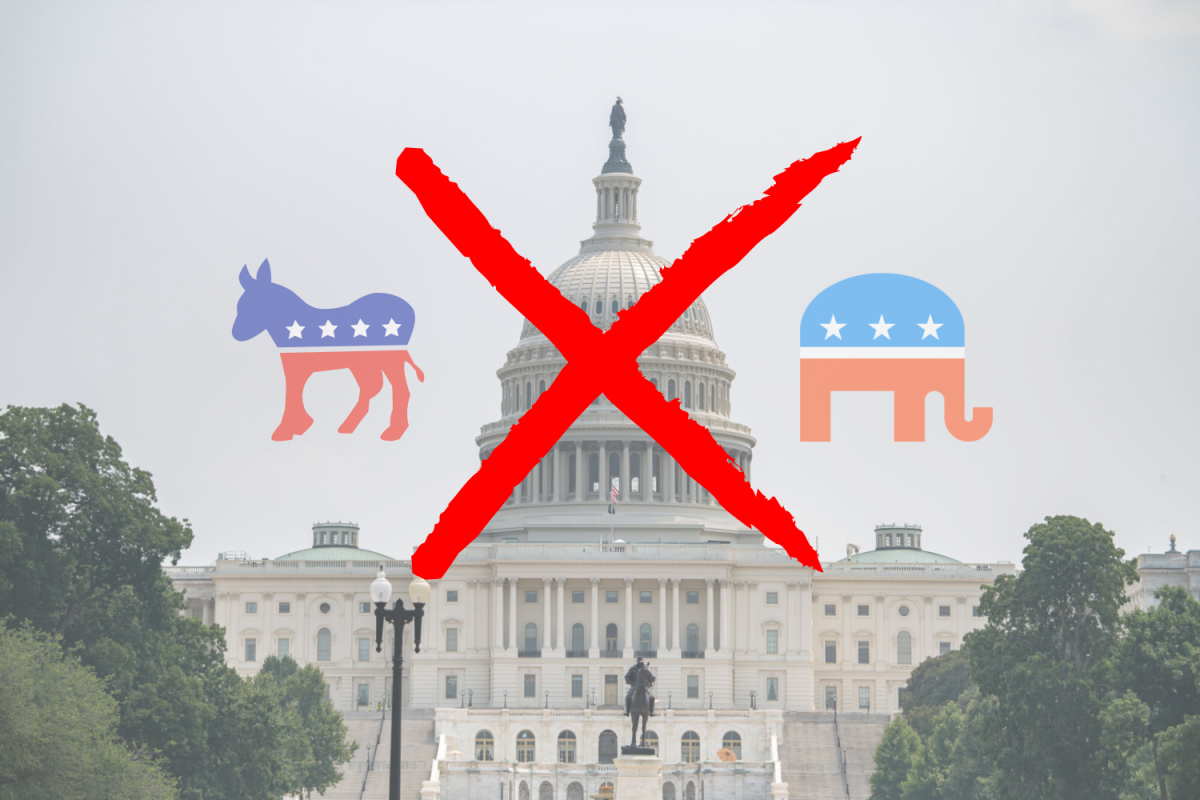
As the United States (US) faces an extended federal government shutdown, millions of Americans are feeling the effects of a political standoff that has halted critical operations and services across the country. As a result of the shutdown, federal employees are missing paychecks, and national parks are temporarily closing, according to ncsl.org. The lack of access to necessities and federal resources has reminded citizens of how deeply government functions affect everyday life.
A government shutdown occurs when Congress fails to pass the necessary funding bills to keep federal agencies running, according to cbsnews.com. Under the Constitution, the federal government cannot spend money without congressional approval. Therefore, if Congress does not pass a budget or temporary funding measure, known as a continuing resolution, agencies must cease non-essential operations.
The first modern shutdown in 1980 occurred during former President Mr. James (Jimmy) Carter’s administration. This shutdown was a result of a budget dispute involving the Federal Trade Commission, setting the precedent for future standoffs, according to ncsl.org. Later, the 35-day shutdown in 2018 to 2019 centered on funding for the US-Mexico border wall. This hiatus forced hundreds of thousands of federal employees to work without pay. The shutdown disrupted airports, delayed federal services, and demonstrated the intense impact of a government shutdown.
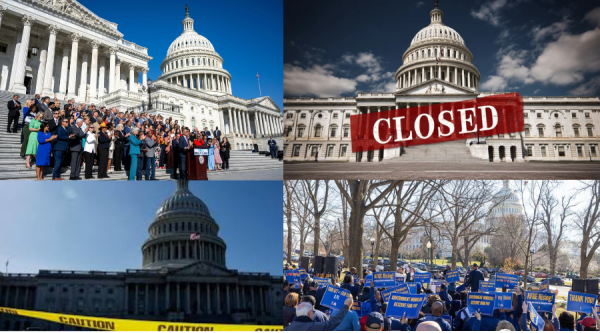
Shutdowns typically stem from disagreements between political parties over spending priorities, policy riders, or budget allocations. In recent decades, they have become more frequent and politically charged, often used as leverage in larger debates over issues such as immigration, healthcare, or defense funding, according to stanton.house.gov. While Congress sometimes resolves shutdowns within days, others drag on, disrupting American citizens’ daily lives from airport security to food assistance programs.
This year’s shutdown, which began October 1, 2025, followed weeks of gridlock in Congress over the federal budget for the fiscal year 2026. Lawmakers in both the House of Representatives and the Senate failed to reach an agreement before the funding deadline, resulting in a lapse in appropriations that forced many federal agencies to close or operate at limited capacity. Essential services, such as air traffic control, border protection, and military operations, have continued to function. However, the government has furloughed approximately 670,000 federal workers, and approximately 730,000 others are working without pay, according to cbsnews.com.
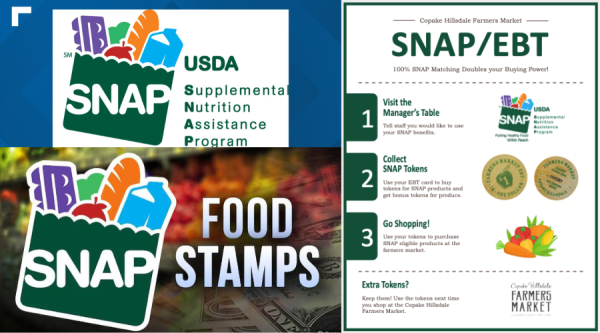
The shutdown has also had ripple effects beyond the nation’s capital. National parks and museums have closed, including the National Zoo, the National Gallery of Art, and all Smithsonian museums. Additionally, passport and visa processing times have increased significantly. Small businesses that rely on federal contracts or tourism in proximity to closed government facilities are feeling the economic despair. In addition, federally funded food stamps will not continue for November, according to CNN. Mr. Vincent Badagliacca, Upper School History Teacher, reflected on what contributed to the Congressional conflict.
“Unfortunately, because the Congressional budget, in recent years, is never properly completed, Congress has developed the habit of passing what are called ‘continuing resolutions,'” Mr. Badagliacca said. “These are ‘stopgap’ authorizations to temporarily continue funding government operations.”
Ending a shutdown requires Congress to pass and the President to sign a funding bill that provides money for government agencies, either temporarily or for the full fiscal year, according to cbsnews.com. However, compromise is often difficult to achieve when both parties disagree on key spending issues. Economists warn that the longer the shutdown lasts, the greater the economic impact will be, according to cbsnews.com. Lost wages, delayed payments, and decreased consumer confidence are beginning to ripple through the broader national economy.
For now, the focus remains on lawmakers to reach an agreement and restore normal government operations. Educators and policy experts emphasize the importance of resolving the shutdown, not only to support federal employees, but also to maintain stability and trust in the democratic process. Mr. Badagliacca described the current state of the House of Representatives and Senate.
“The present shutdown represents a new and even more irresponsible example of dysfunction,” Mr. Badagliacca said. “The people’s government is failing the people. It is fat, bloated, and unbelievably wasteful, resulting in hemorrhaging national debt, shutdowns, and more dysfunction. Of course, some of this is fueled by the very divided nature of House and Senate representation, with neither party having the numbers to move the budget process responsibly, making necessary compromises, as is required under the process outlined above. These factors work against responsible behavior in voting and performing their jobs, entrusted to them by the people.”
Featured Image by Avery Quake ’26
