

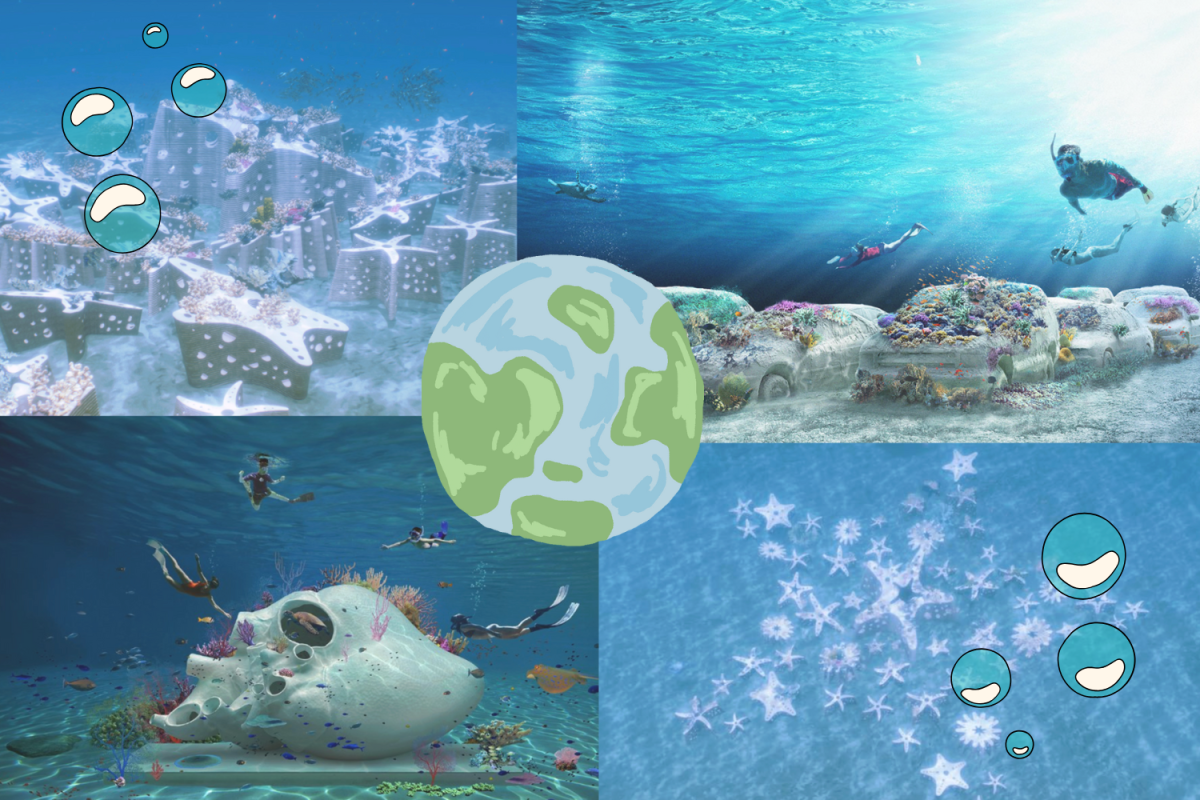
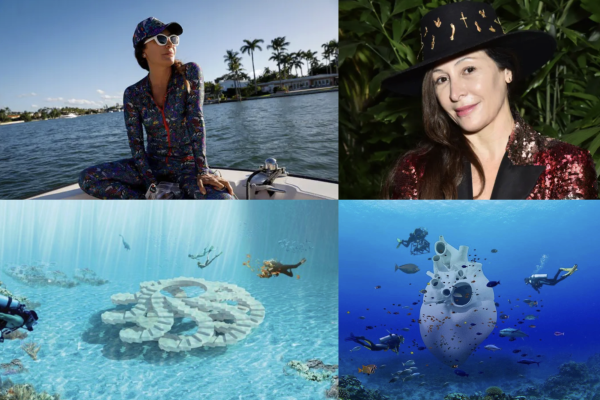
The ReefLine, Miami’s underwater art park, is modernizing environmental preservation by incorporating artwork. Coral reefs have suffered significant damage off the coast of Florida, leaving marine creatures without habitats. The underwater art park began opening in phases starting in October 2025, but it is not yet complete, according to miamiandbeaches.com. It is currently in Phase One, which consists of installing 22 concrete cars, according to kbtx.com. Ms. Ximena Caminos, an art curator and entrepreneur, wanted to be part of the change, which led her to develop a hybrid artpiece-habitat, according to gagosian.com. Ms. Caminos predicts the 7-mile-long project will take at least a decade, according to npr.org.

Coral reefs are in a massive decline worldwide due to pollution, destructive fishing practices, boat anchors, coral harvesting, microplastics, and coral bleaching, according to epa.gov. Specifically, coral bleaching has become a significant concern, mainly due to global warming, a prominent modern issue. Often, temperature changes and other stressors cause coral to bleach. The coral then releases symbiotic algae from its tissues, turning it white. The coral in this state is highly vulnerable, according to oceanservice.noaa.gov. The art pieces beneath the surface strengthen weak coral reefs and provide marine life with a habitat.
Ms. Caminos’ vision of developing an underwater art park that benefits the environment has taken years to come to life. She first secured funding for the project in 2019 from the Knight Foundation. In 2021, Miami Beach residents voted to issue a $5 million bond to fund the project. She then organized with art experts and collaborated with the city and state, according to gsd.harvard.edu. Ms. Caminos commented on the ReefLine’s unique approach to addressing environmental issues.
“I think we are making history here,” Ms. Caminos said, according to kbtx.com. “It’s one of a kind, it’s a pioneering, underwater reef that’s teaming up with science, teaming up with art.”
The ReefLine sits about 15 feet underwater and 700 feet from shore, making it easy to reach, according to npr.org. Visitors can easily experience the ReefLine while snorkeling, but scuba divers are also welcome to get a closer look at both wildlife and creative artwork. The first piece installed on the ReefLine is 20 concrete cars, created by Mr. Leandro Ehrlich, which symbolize harmful emissions from cars. He is hopeful that one day the coral will become strong enough to grow and cover the cars. Two other pieces making up the ReefLine are “Heart of Okeanos,” portraying the heart of a blue whale created by Mr. Petoc Sesti, and “Miami Reef Star,” a trail of starfish created by Mr. Carlos Betancourt, according to miamiandbeaches.com. Ms. Joyce Reed, Upper School Science Teacher and moderator of Sustainability Club, shared her thoughts on the effectiveness of artificial tools in addressing environmental challenges.
“I think that the reef project is extremely creative and will hopefully contribute positively to restoring the local ecosystem,” Ms. Reed said. “The challenge facing coral reefs in general is immense and will only be ultimately addressed by a worldwide drastic reduction of carbon dioxide emissions. No local ‘solutions’ will save coral or other marine life.”
Featured Image by Liv Hegarty ’27