


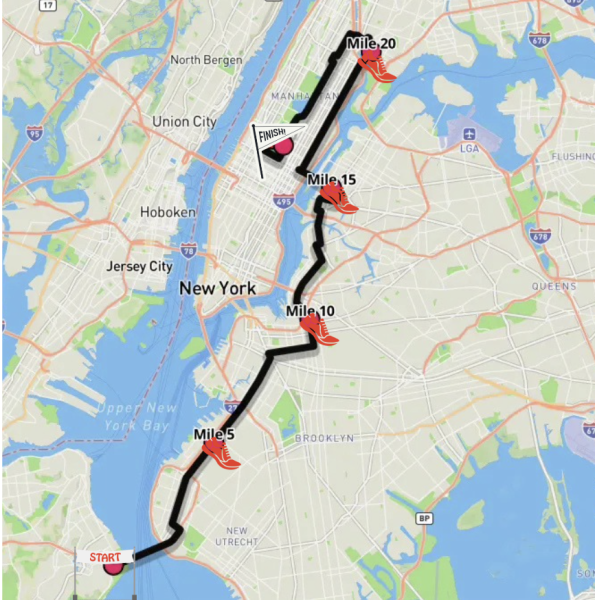
The non-profit organization New York Road Runners (NYRR) held the 55th annual Tata Consultancy Services New York City Marathon (TCS NYC Marathon), November 2. For the second year in a row, this race broke the world record for largest marathon, with 59,226 finishers from ages 18 to 91, according to nyrr.org. Since 2020, there has been a growing interest in long distance running. This year’s marathon reflects this trend, with NYRR receiving 200,000 applications. This is a 22 percent increase from last year’s applications, according to nyrr.org.
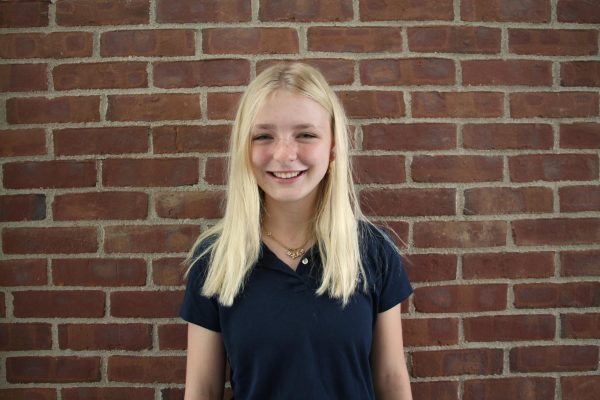
Generation Z (Gen Z) made up approximately 24 percent of the 2025 TCS marathon finishers. There has been an 86 percent increase for men and a 91 percent increase for women under the age of 30 participating since 2015, according to sportico.com. This surge in participation can be attributed to young peoples’ growing desire for connection, belonging, and competition. Sacred Heart Greenwich sophomore Stephanie Stibler has watched her family members compete in the marathon four times. She commented on her observations from this year’s marathon.
“I have gone to the marathon in 2018, 2021, 2023, and then this year,” Stephanie said. “It was really busy this time compared to previous years. [I noticed that] there were a lot of young people that [were representing] different charities.”
Many people in Gen Z took up running as a way to make social connections after isolation during COVID-19. 55 percent of Gen Z runners named social connections as their top reason that they started running in a fitness group. Because of this, the number of new run clubs on the fitness and running app, Strava, has tripled since August 2024, according to press.strava.com. By participating in these clubs, people can run at any comfortable pace while also keeping up with the people around them.
Strava currently has 50 million monthly users, with many Gen Z users. The app turns workouts, such as running, into a competition and social activity. Strava also grants the ability to log every mile ran into one place. Additionally, it provides suggestions for where to run in a local area area based on the runner’s mileage goal. Users can also follow other runners to motivate themselves and create a competitive edge, according to techfundingnews.com.
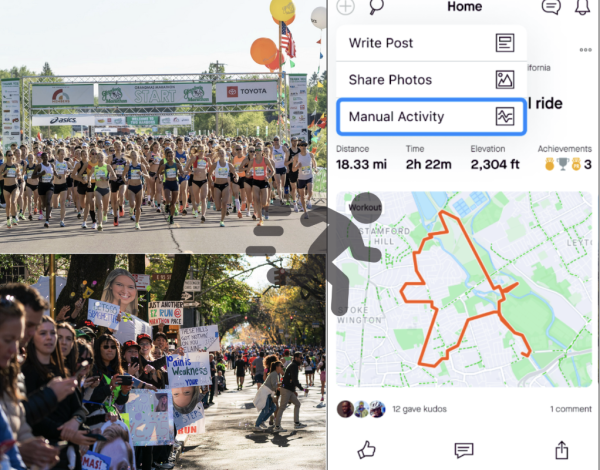
Despite the positive increase in running due to social media’s influence, the increased interest has also led to a sensationalization of the running experience through advertised events. Instead of elite runners kicking off the NYC Marathon this year, the organization had a group of social media influencers run ahead of them to record content, according to sportico.com. 65 percent of people in Gen Z post their running activities on their social media accounts, according to ladbiblegroup.com. The simplicity of these videos makes the younger generations believe they can run long distances with minimal effort and training. Viewers feel pressured to keep up with the standards of running longer distances, wearing matching workout sets, and posting on Strava. Ms. Salina Grilli, founder of Manhattan Modern Psychotherapy, spoke on the attraction of running a marathon to new runners, according to self.com.
“A lot of young people are going straight to the marathon, since it’s a big, lofty goal,” Ms. Grilli said, according to self.com. “It’s different. It’s special. [No other race distances] have the uniqueness of saying you ran a full [marathon].”
Featured Image by Elizabeth Galgano ’28