


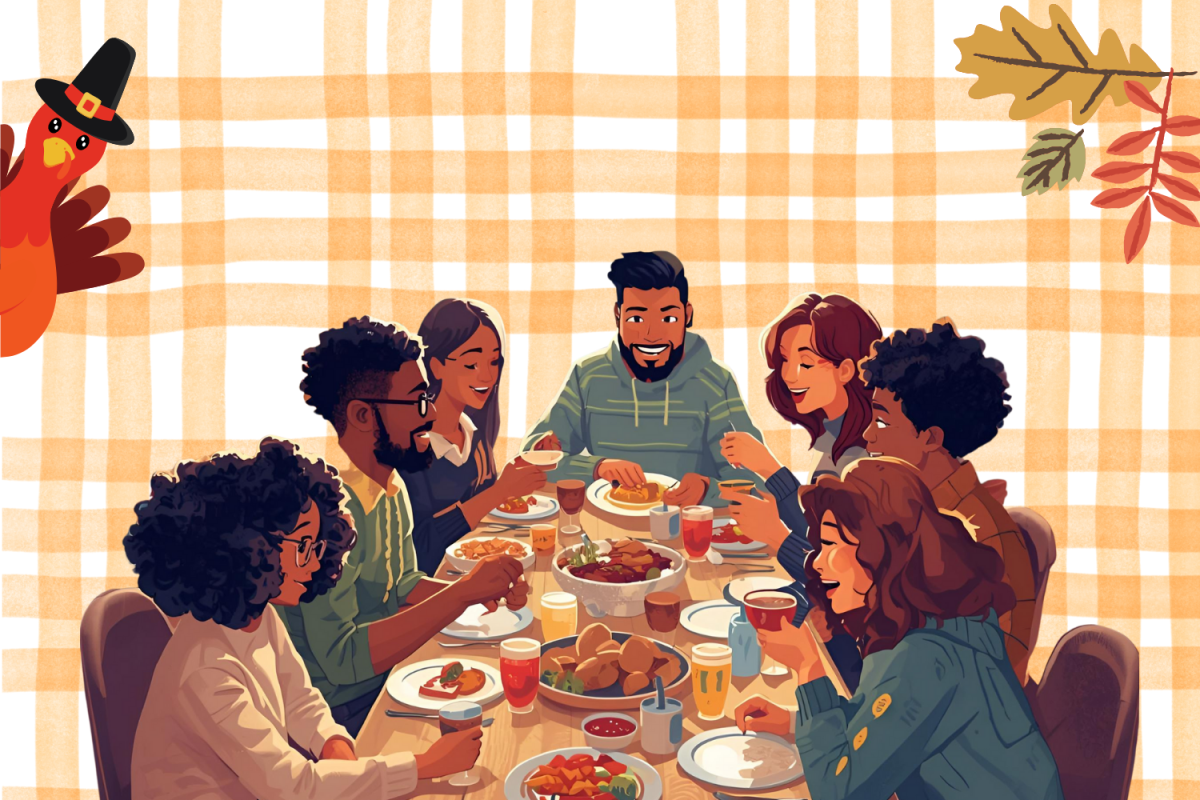
As fall approaches, Americans prepare to gather with relatives to celebrate the upcoming holiday season. Thanksgiving brings together families to give thanks and blessings to loved ones, while Friendsgiving brings together friends. Friendsgiving does not replace traditional Thanksgiving meals, but is a gathering typically celebrated with friends in late November. Some may not be able to visit their relatives, prefer not to celebrate with relatives, or simply want to share the season of gratitude with the people they feel closest to, not necessarily family. For many, Friendsgiving emphasizes chosen families and is an opportunity to celebrate created families rather than blood relatives, empowering and highlighting friendship during the holidays, according to medium.com.
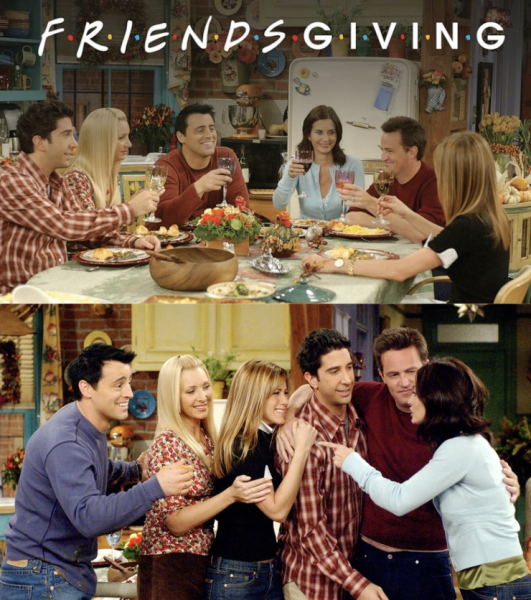
Friendsgiving combines the two words “friends” and “Thanksgiving.” Its popularity increased among millennials when they advertised it online as a more flexible, affordable, and less stressful way to celebrate. For example, various shows in the media began marketing Friendsgiving in the 2000s, amplifying the trend, according to merriam-webster.com. These shows include The Real House Wives of New Jersey and Friends. In fact, many credit Friends for creating the Friendsgiving trend. In all ten seasons of Friends, there is an episode celebrating Thanksgiving. In each Thanksgiving episode, all six characters find themselves celebrating together rather than going home to their families. Ultimately, this emphasizes that joy and cheer are often found within closest friendships, not only family, according to bhg.com. Sacred Heart Greenwich junior Jane Westbrook commented on how she thinks Friendsgiving offers something different from traditional family Thanksgiving celebrations.
“Family Thanksgiving is great, but it comes with traditions and expectations that become tiring and stressful,” Jane said. “On the other hand, Friendsgiving is way more laid-back. No one cares if the food served is pizza or mashed potatoes or if someone shows up in sweatpants. It feels more like a community where my friends and I can talk about surviving school together and catching up on our lives, which I honestly think is better than your traditional Thanksgiving.”

Furthermore, around seven in ten Americans of younger generations prefer Friendsgiving to Thanksgiving. This is because Friendsgiving allows people to celebrate with those they choose, eliminating stress and anxiety. In fact, the presence of friends significantly increases well-being and overall mental health, according to reachlink.com. Also, Thanksgiving is very traditional, meaning that for most, it’s the same every year. However, Friendsgiving has fewer traditions, expectations, or rules. For instance, one survey showed that 44 percent of Friendsgiving dinners are potluck-style, thus, those invited are free to bring any dish they want for everyone to share.
Additionally, Friendsgiving celebrations often include pre-prepared and budget-friendly foods. With the current high level of inflation, 45 percent of Americans are feeling financially stressed about Thanksgiving this year. As a result, some are planning a more relaxed Friendsgiving with pizza rather than turkey, according to harryanddavid.com. Hence, gathering with friends to express gratitude and thankfulness matters more than how many people attend or what food is on the table. Jane shared what Friendsgiving means to her and why she thinks it empowers her friendships.
“To me, Friendsgiving is basically Thanksgiving without the pressure and awkwardness at the dinner table,” Jane said. “It’s like a chill, upgraded version where I get to hang out with the people who actually choose to be around me. Good food, good friends, and zero relatives asking about my grades. Friendsgiving gives us a chance to just hang out, laugh, and make memories that we’ll cherish. I love how we can order food, watch a movie, and hang out in our pajamas. Plus, I would take any excuse to celebrate with my friends.”
Featured Image by Lilia Newman ’27
