

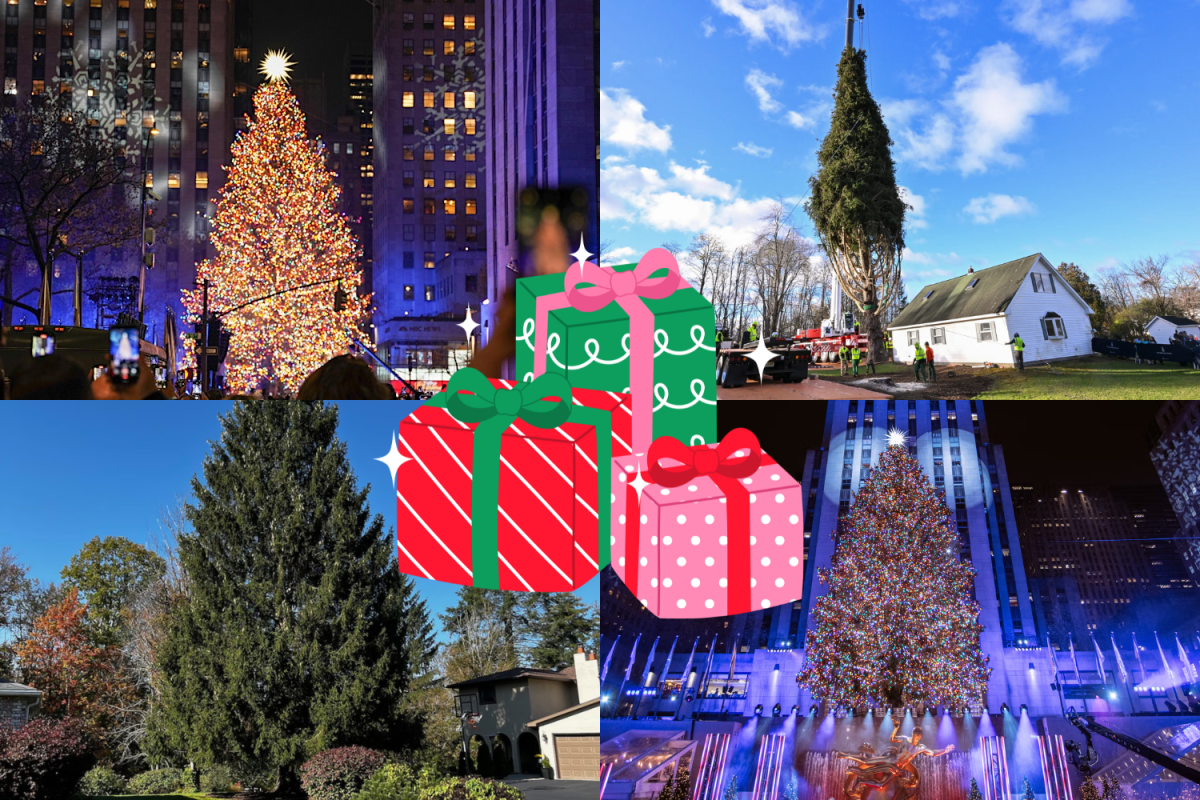
Each winter, the Rockefeller Center Christmas tree becomes one of the most iconic symbols of the holiday season, not just in New York City, but across the country. The massive Norway spruce attracts millions of visitors and marks the unofficial start of December in Manhattan, according to wmtw.com. While most people only see the tree once it is standing on the plaza, its story begins hundreds of miles away.
This year’s Rockefeller Center Christmas tree came from East Greenbush, New York, a quiet town in Rensselaer County near Albany, according to rockefellercenter.com. This year’s tree, a 75-foot tall Norway spruce, hails from the Russ family, who had grown it on their property for over 60 years, according to today.com. Mr. Erik Pauze, Rockefeller Center’s head gardener, is responsible for selecting the tree each year. Mr. Pauze spends months traveling through neighborhoods across New York, New Jersey, Pennsylvania, and New England, looking for natural-grown spruces that have the right shape for the plaza, according to rockefellercenter.com. Yet, most trees selected for Rockefeller Center do not come from farms, but instead hail from people’s yards, according to nbcnewyork.com.
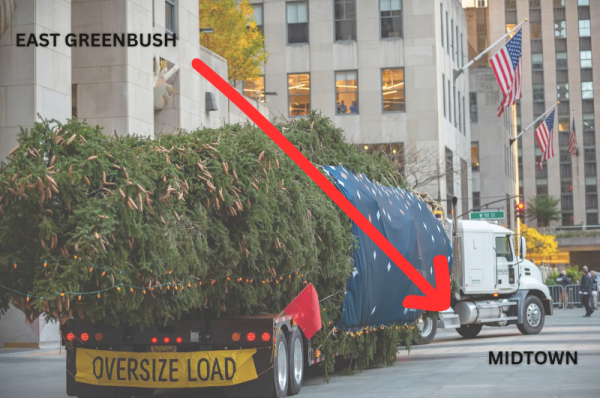
After Rockefeller Center officially chooses a tree, a crew arrives with cranes, chainsaws, and a massive flatbed truck, according to cbsnews.com. Workers wrap each branch, stabilize the trunk, and lower the tree horizontally onto the trailer. Since the tree is so large, it moved downstate at low speeds with a motorized escort. When the tree arrives in Manhattan, workers use cranes to guide it into place on the plaza between 49th and 50th Street. After crews secure the tree, decorators spend almost a week preparing it for the lighting ceremony. The decoration process includes stringing nearly 50,000 LED lights around the branches and attaching the giant star that crowns the top, according to fox5ny.com.
The Rockefeller Center tree lighting ceremony took place December 3, drawing in large crowds around the ice rink and filling the streets around the plaza. Networks broadcast the event nationally, with musical performances and interviews leading up to the countdown, according to nbcuniversal.com. The moment the lights turn on, the tree illuminates Rockefeller Center. The star, designed by architect Mr. Daniel Libeskind, weighs around 900 pounds. Made of 3 million Swarovski crystals, the star creates a radiant sparkle in the sky, according to libeskind.com.

The Rockefeller Center Christmas tree has appeared in countless movies, television shows, and photographs, making it feel instantly recognizable, even to those who have never visited New York City. However, the significance of the tree goes beyond its size or decorations. The tradition started back in 1931, during the Great Depression, when construction workers at Rockefeller Center put up a small tree to bring some holiday cheer to the job site, according to rockefellercenter.com. The official lighting ceremony began two years later in 1933, and the event has continued every year since.
Once the holiday season ends in January, workers carefully remove the lights and star before lowering the tree onto another flatbed truck. Since 2007, Habitat for Humanity has transformed the Rockefeller tree wood into lumber to build affordable housing from New York to Mississippi, according to habitat.org. Mr. Pauze has been in charge of selecting the Rockefeller Center Christmas tree for the past 30 years. He shared insight into the process of choosing the tree each year.
“I look at dozens of trees throughout the year.” Mr. Pauze said, according to businessinsider.com. “Some are submitted online by potential donors, and some I come across on my own travels. I always take the long way home from anywhere, keeping an eye out for a Norway spruce—the most common species of tree we choose. I’ve already got my eye on several trees that might be selected for next year, or even the year after that. I understand the enormity of the responsibility. The arrival of the Rockefeller Christmas tree officially ushers in the holiday season in New York City.”
Featured Image by Catherine Ononye ’27
