

Since the beginning of human history, hobbies have played a a crucial role in people’s lives. Activities such as swimming, hunting, and drawing were among the first hobbies of human ancestors. These pastimes evolved, and hobbies like reading, baking, and playing musical instrument formed according to daysoftheyear.com. Since 1987, people have considered the month of January to be National Hobby Month due to its association with personal growth, according to checkiday.com
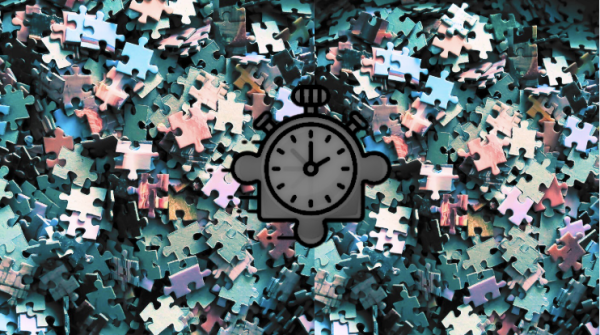
The word “hobby” originates from the word “horse.” For this reason, people in Europe initially thought of hobbies of as childish. This perception started to change around 1676, when Sir Matthew Hale, a lawyer in England, wrote “almost every person hath some hobby horse or other wherein he prides himself,” according to daysoftheyear.com. In the 18th century in Europe, hobbies such as card games, board games, and chess began to flourish, according to craven-hall.org. In modern times, people recognize hobbies as a way to boost mental and physical health. Sacred Heart Greenwich faculty and students engage in diverse hobbies to foster their own well-being. Ms. Keegan Reed, Associate Athletic Director, explained how her hobby of speed puzzling influences her life.
“[Speed puzzling] helps me in my daily life because my job is figuring out where everything goes within athletics [such as coordinating,] officials, buses, games, and coaches,” Ms. Reed said. “Everything is a puzzle just in a different form.”
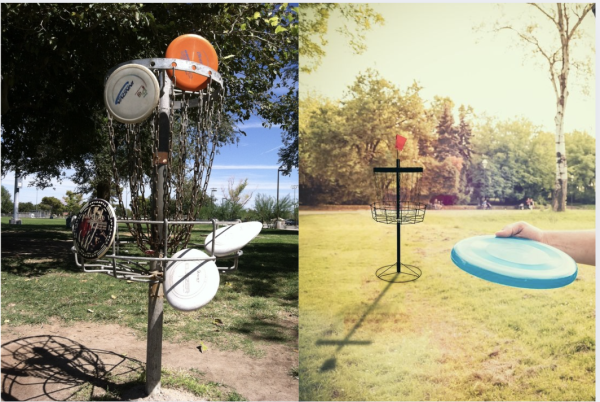
Hobbies help to structure time by encouraging productive and creative pursuits. Additionally, they allow people to immerse themselves in a positive activity instead of stressing about work. Activities that individuals do for fun can also foster social connections by building community through shared passions. Hobbies build individuality, as they provide an outlet for creativity and personal expression. After completing a task that promotes enjoyment, life outside of that activity becomes more enjoyable, according to psychologytoday.org. Ms. Jillian Wolf, Director of Library Services, discussed her personal hobby of playing Frisbee Golf.
“When [COVID-19] hit, [my husband and I] had been playing [frisbee golf] a little bit,” Ms. Wolf said. “What drew us to it was to be outside, see different parks, different areas of the country, and even the world because we have also played in other countries.”
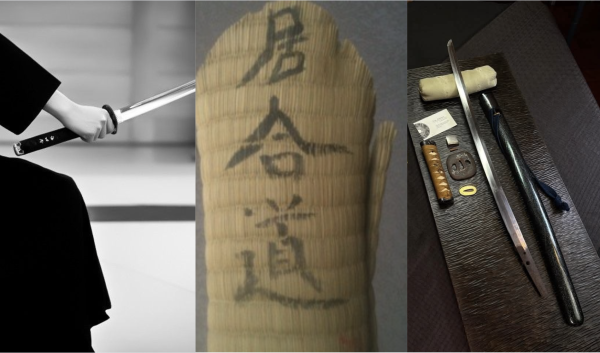
Hobbies can greatly impact mental health. Some psychiatrists have concluded that taking up a hobby can help manage stress and anxiety. A study in 2020 found that by acquiring a hobby, the chance of recovering from depression increased by 272 percent in adults. Another 2024 study found that creative hobbies can be a buffer against stress, according to tandfonline.com. Sophomore Angelina Clear shared how participating in Iaido, a Japanese martial art, impacts her daily life.
“With the sport you need a lot of patience, precision, and spatial awareness,” Angelina said. “My dad says it’s not so much a sport, but it’s more a discipline, so it kind of helps you focus and center yourself. I carry that into my day-to-day life and it really helps in those areas. It helps me ground myself in the moment.”
Featured Image by Elizabeth Galgano ’28