


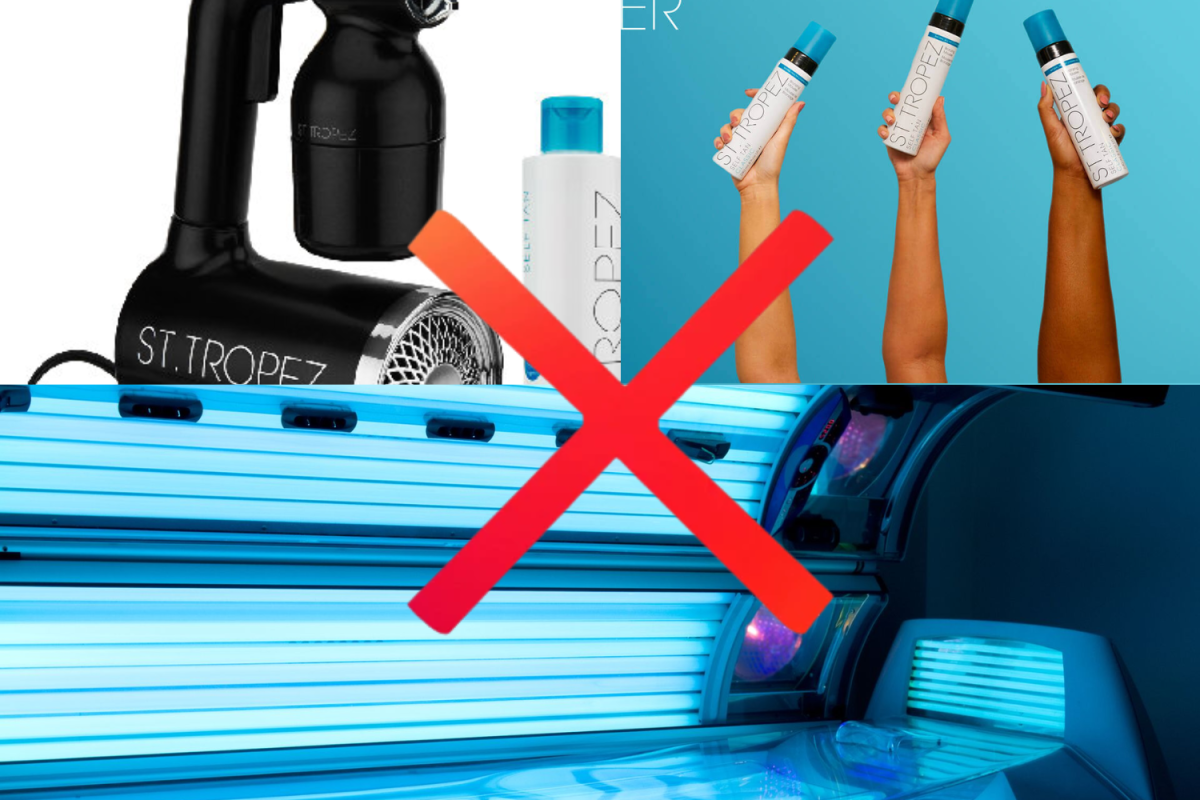
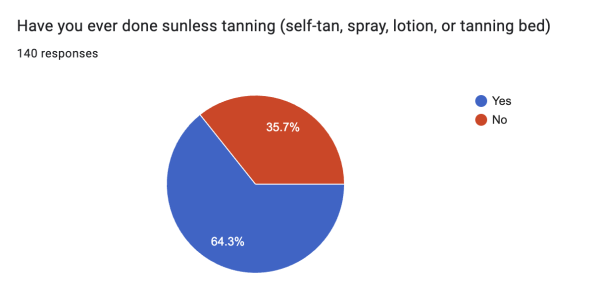
Many people pursue a sunless tan without realizing the risks. Excessive sunbathing increases exposure to harmful ultraviolet (UV) radiation, but tanning beds also increase UV exposure and risk of skin cancer, and spray tans can be dangerous if inhaled, according to healthline.com. When comparing tanning methods, many consider lotions the safest option for achieving a tan without compromising overall health. In a poll of Sacred Heart Greenwich Upper School students, the results showed that the majority of students have done a form of sunless tanning. Out of 140 responses, 64.3 percent voted yes, while 35.7 percent voted no.
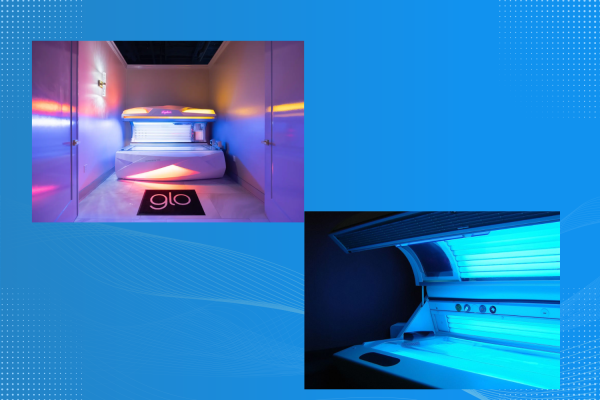
A 2025 survey conducted by the American Academy of Dermatology found that 20 percent of Generation Z (Gen Z) respondents preferred achieving a tan over maintaining healthy skin. An additional 25 percent of respondents said they would rather use dangerous tanning methods, even if it meant risking health issues later in life. People who used tanning beds were nearly three times more likely to develop melanoma, the deadliest form of skin cancer, than those who never tanned indoors. Tanning beds emit UV radiation that reaches up to 15 times the strength of the sun and damages skin cells across most of the body, according to npr.org.
Sunbathing damages the skin because exposure to UV rays breaks down protective DNA and harms skin cells. Prolonged exposure can cause sunburns, blistering, and rashes, all of which increase the risk of melanoma. Sunbathing can also trigger polymorphic light eruption, a form of sun poisoning. Despite these risks, sun exposure does provide some health benefits unrelated to tanning. Moderate sunlight exposure can reduce depression, improve sleep, strengthen bones, and boost the immune system, according to npr.org.
To avoid UV damage, the beauty industry developed spray tans and lotions as an alternative to tanning beds and sunbathing. Although spray tans reduce the risk of skin cancer, users still face health risks when they inhale or ingest the product. The primary ingredient in most spray tans is dihydroxyacetone (DHA), a sugar compound that reacts with amino acids in the skin to create a temporary tan. DHA remains safe only when users apply it to the outer layers of the skin. The Food and Drug Administration (FDA) has approved most spray tans for topical use, but has not approved them for inhalation or ingestion, highlighting the hidden dangers of exposure, according to mcleanskin.com.
With the popularity of tanning beds on social media, more young people are developing skin cancer. Dr. Pedram Gerami, a Seattle dermatologist, expressed concern about the rise in mental health issues due to this phenomenon, according to npr.org.
“Now, as young adults, they’re having to deal with frequent skin checks, frequent doctor visits, frequent biopsies, lots of anxiety, and the emotional burden of having been diagnosed with cancer at a young age,” Dr. Gerami said, according to npr.org. “They have a lot of heaviness to deal with.”
Featured Image by Elin Eaton ’27
