
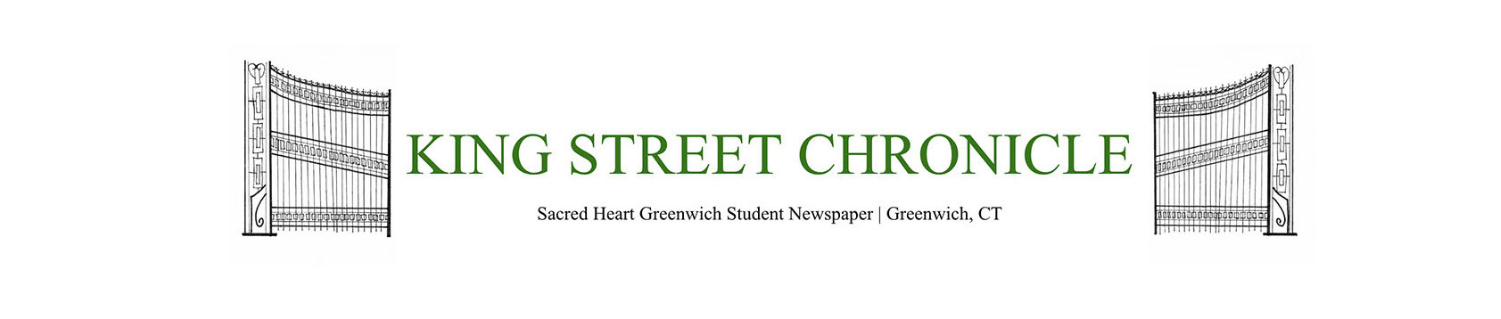

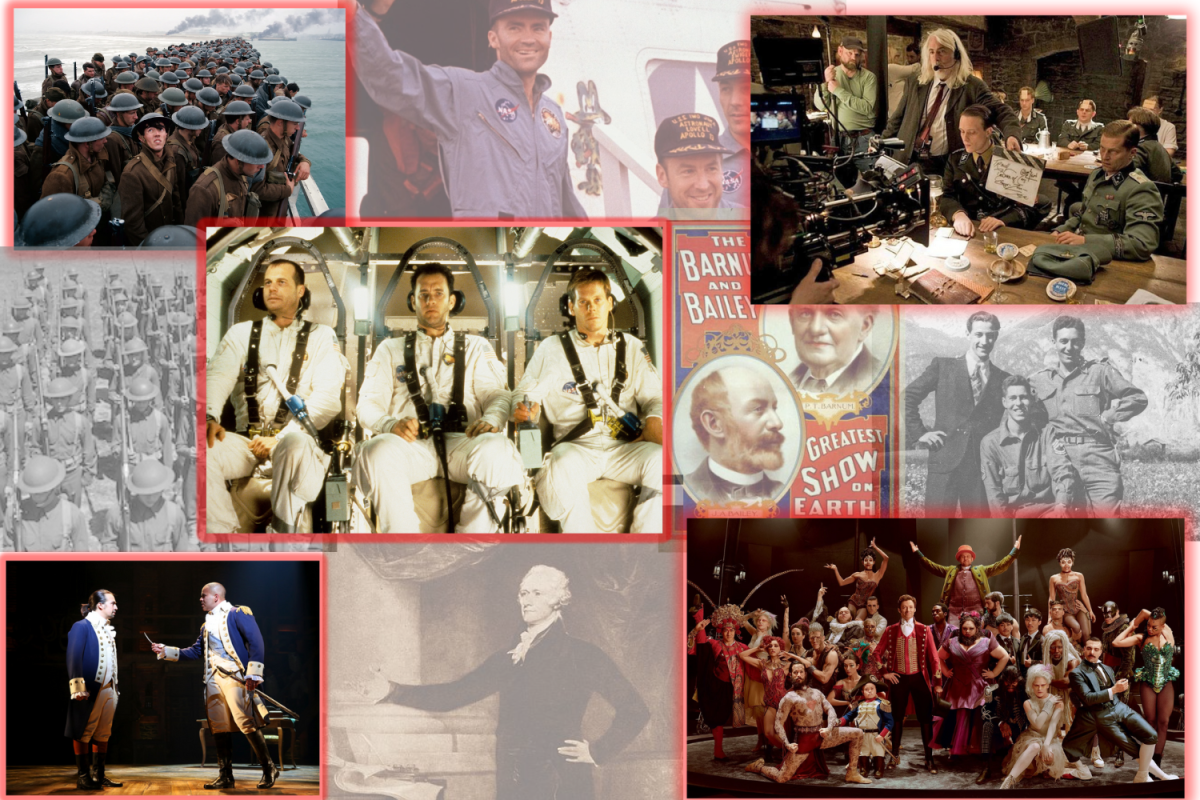
From Hamilton to Les Misérables and Saving Private Ryan to Apollo 13, film and theatre producers have long created media based upon historical events. However, these works portray varying degrees of historical accuracy. Inevitably, films and productions intended to entertain and bring in revenue will not always illustrate history explicitly. Audiences must recognize that filmmakers or playwrights often skew the reality of past events to create a more artistically entertaining or dramatic performance, according to thebristorian.co.uk.
Films and media at large often have the power to shape modern perception of historical events. Cinema depicting history has the potential to reach a wider audience than a book on the same topic, according to newhistories.sites.sheffield.co.uk. By engaging audiences with vivid imagery, alluring scenes, and famous actors onscreen, historical films transform mundane historical events into tangible, emotionally compelling productions. Moreover, while they can entertain, historical films also have the ability to shape public opinion and can even become the version of history that most viewers remember, according to medium.com. However, the on-screen format often lacks certain nuances and true events. Writers can significantly dramatize or fabricate plot points altogether, under some audiences’ understanding that what they are viewing is historical.
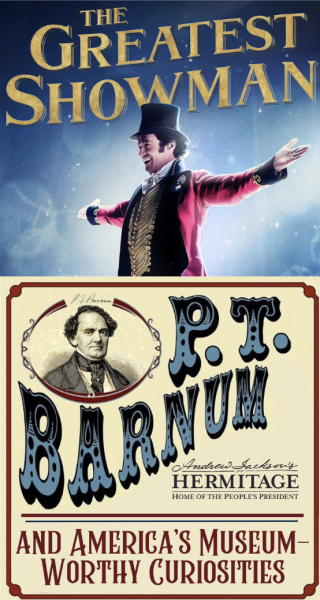
In musical theatre and movie musicals, a production team intends the musical element to entertain and evoke emotion in an audience member. Therefore, some true plot points become sensationalized or omitted entirely. For example, the film The Greatest Showman depicts protagonist and historical American showman Phineas Taylor (P.T.) Barnum as a lovable entrepreneur and family-oriented man. In reality, historians deem him a more distasteful person, who exploited individuals in his attractions for the sake of entertainment, according to smithsonianmag.com. Ms. Ellyn Stewart, Director of Media Studies, Design, and Innovation, explained how directors may ensure historical accuracy.
“I think directors can balance entertainment with accuracy by hiring experts, consultants, and historians familiar with the historical event to review the script, rough edit, and final edit,” Ms. Stewart said. “Filmmakers and historians can collaborate by reviewing period costumes, locations, and historical characters to make sure these are historically accurate.”
In historical fiction film and television, timelines and plot points are inevitably compressed and may skew reality. In works of fiction meant for entertainment, debate arises surrounding the obligation of writers and directors to precisely represent the past. Pieces of cinema can certainly be successful, yet not necessarily historically accurate, according to newhistories.sites.sheffield.co.uk.
In particular, one high-profile film directed by Mr. Quentin Tarantino, Inglorious Basterds, depicts historical figures in a blatantly inaccurate fashion. During an action-packed scene in this film, American World War II soldiers burst into a cinema and murder Adolf Hitler, when, in reality, Hitler died by suicide. While this remains a dramatic example, it is an example of how the public consciousness may be affected by popular media, according to newhistories.sites.sheffield.co.uk. Mr. Tarantino explained why he chose to prioritize his characters’ storylines over staying closely aligned with history, according to editorial.rottentomatoes.com.
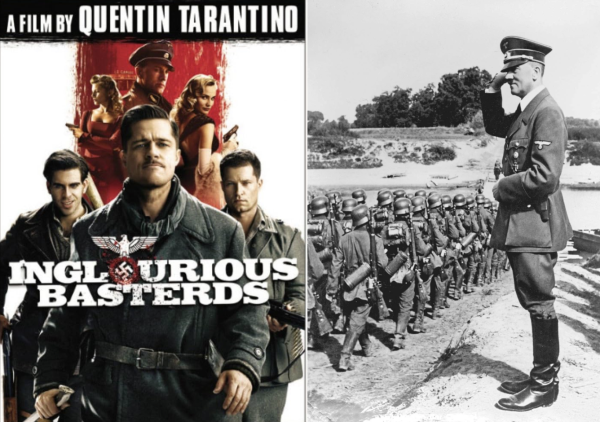
“Well, on this movie there’s one real big roadblock, and that’s history itself,” Mr. Tarantino said, according to editorial.rottentomatoes.com. “And I expected to honor that roadblock. But then at some point, deep, deep, deep into writing it, it hit me. I thought, Wait a minute: my characters don’t know they’re part of history. […] What happens in this movie didn’t happen in real life because my characters didn’t exist. But if they had, this could have happened in real life.”
When accepting these films at face value, viewers may misunderstand historical events. Some directors and filmmakers take creative liberties when translating history to the screen for the sake of narrative coherence or emotional effect, while others strive for maximum historical accuracy, according to medium.com. Ms. Stewart emphasized the need for discernment between fact and fiction in films depicting historical events.
“At a time in which the media is often challenged for biased storytelling, it is more important than ever to separate fact from fiction in any work that is purporting to be based on real life,” Ms. Stewart said. “Words matter. My preference is that directors of films that are based on historical events be precise in their language to say that the film is ‘inspired by actual events’ or ‘loosely based upon real events’ rather than calling it an historical film.”
Featured Image by Caroline Gammon ’26
