



Thousands of New York City (NYC) nurses packed up their bags and left work, beginning at NewYork-Presbyterian, presenting the largest nurse strike NYC has ever seen. Today, nurses approach day 22 of their strike, which began January 12. Nurses are approaching the fourth week of their strike and remain unsure when they and the hospitals will reach an agreement, according to fox5ny.com.
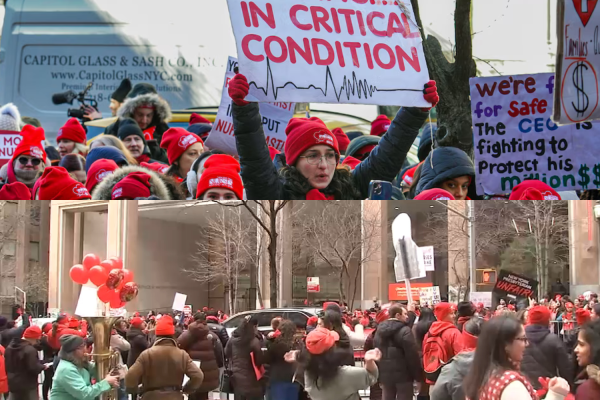
Nurses went on strike due to the lack of agreement regarding the protection of their own healthcare, the number of staff working, wage disputes, and their safety against violence within the hospitals, according to abcnews.go.com. Nurses want a change regarding their care and pay. The five hospitals that employ the workers who are on strike are Mount Sinai Hospital, Mount Sinai Morningside, Mount Sinai West, Montefiore Medical Center, and NewYork-Presbyterian/Columbia University Irving Medical Center, according to vaccineadvisor.com. Mayor of NYC, Zohran Kwame Mamdani, shared his perspective on the nurses’ strike.
“They show up and all they are asking for in return is dignity and respect and the fair pay and treatment that they deserve,” Mayor Mamdani said, according to vaccineadvisor.com. “They should settle for nothing less.”
More specifically, this strike is a result of disagreement between the hospitals and the New York State Nurses Association (NYSNA). The NYSNA is advocating for stronger health care benefits, as they feel the policies are corrupt. The wage for nurses in NYC currently stands at $56.61 per hour, according to vaccineadvisor.com. The nurses are demanding a 40 percent wage increase and $3.6 billion in reckless demands. However, hospitals feel this request is extreme. Hospitals have not responded to the nurses accordingly, conveying that patient care is the priority. Hospital officials believe the complaints made by the nurses have already improved, according to vaccineadvisor.com.
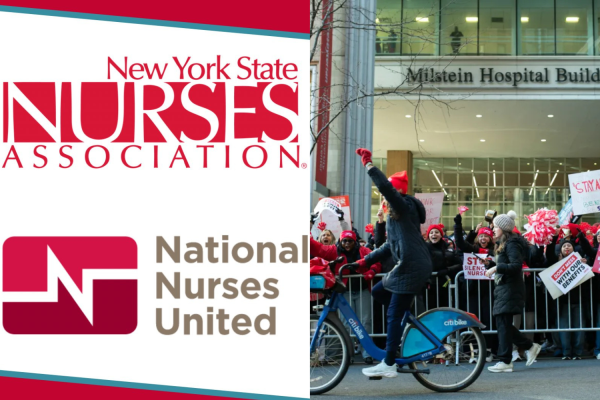
NewYork-Presbyterian began the movement for the strike, and many other hospitals have followed. The strike has evidently affected hospitals’ patient care. More patients die, or their health worsens during these strikes, due to the reduced number of nurses present in hospitals. People are holding protests on the streets of NYC to promote the nurses’ goals, as well as ensure that the hospitals are aware of the true reason for the strike. Dr. Jonathan Holmes Gruber, an Massachusetts Institute of Technology economist and co-author of a study on the strike, explained his view on what will follow this movement, according to gothamist.com.
“ Nurses matter,” Mr. Gruber said, according to gothamist.com. “And nurses that know the system and know the patients matter, and the displacement that happens when nurses go on strike, it’s consequential for patient health. Overall, our findings suggest that strikes lead to lower quality of medical care in hospitals. Outcomes are no better for patients admitted to striking hospitals who employ replacement workers.”
Featured Image by Bella Boone ’27
