


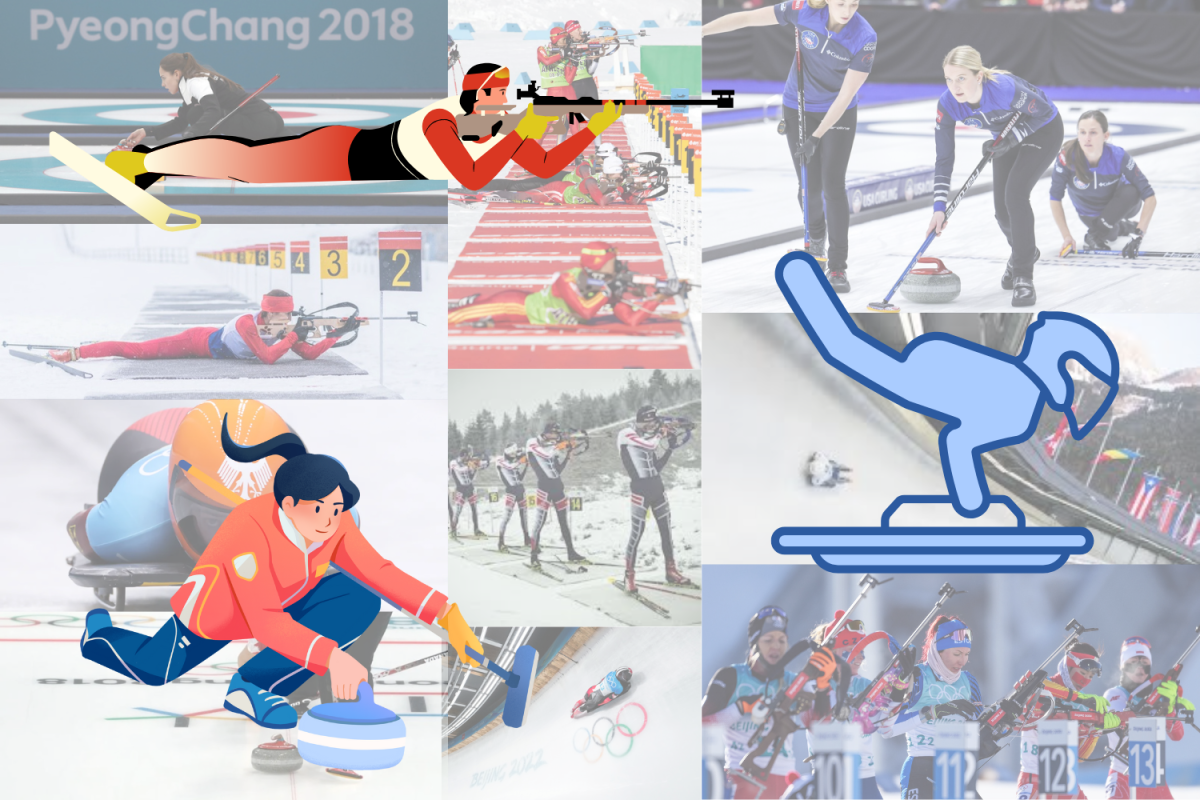
While popular sports like figure skating and ice hockey often dominate Winter Olympic coverage, several lesser-known sports play a major role in the Olympic games. These more niche events, although less familiar to most viewers, require elite skill, intense training, and deep cultural roots in specific parts of the world. Audiences and media outlets often overlook curling, biathlon, and skeleton, despite the sports’ athletic complexity and global influence.
Curling is one of the most strategic sports in the Winter Olympics, requiring precision, teamwork, and communication. The sport originated in Scotland but has become especially popular in Canada at both recreational and professional levels, according to nbcolympics.com. Canada has historically been one of the strongest nations in Olympic curling, frequently earning silver, bronze and gold medals in both men’s and women’s events, according to olympics.com. One of the most accomplished Canadian curlers is Ms. Jennifer Jones, who led her team to an undefeated gold medal performance at the 2014 Winter Olympics, according to olympics.com. Her success brought greater international attention to the sport, particularly among younger generations.
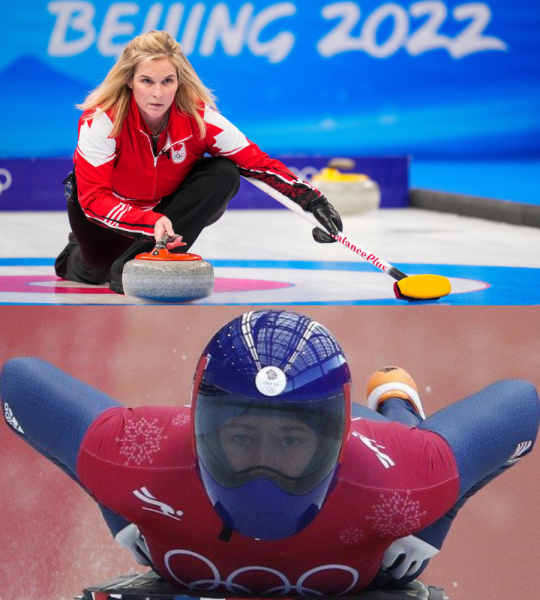
Skeleton is one of the fastest and most intense Winter Olympic sports, with athletes racing head-first down an icy track on a small sled at speeds reaching nearly 80 miles per hour, according to nbcolympics.com. The sport requires bravery, precise steering, and fast starts. Great Britain’s Mrs. Elizabeth “Lizzy” Anne Yarnold stands out as one of the sport’s most successful athletes. She won gold medals in both the 2014 and 2018 Winter Olympics, becoming the only skeleton athlete to achieve two Olympic golds, according to olympics.com. Skeleton is particularly popular in countries with strong sliding sport programs, including Germany and Great Britain, according to nbcolympics.com. Mrs. Yarnold explained a piece of advice that helped her fight through injury and gain success in skeleton, according to thesecretsoftheirsuccess.com.
“Never give up on your dreams,” Mrs. Yarnold said, according to thesecretsoftheirsuccess.com. “Be clear about what your ultimate goal is and set little intentions every day that will contribute to helping you achieve that big ambition.”
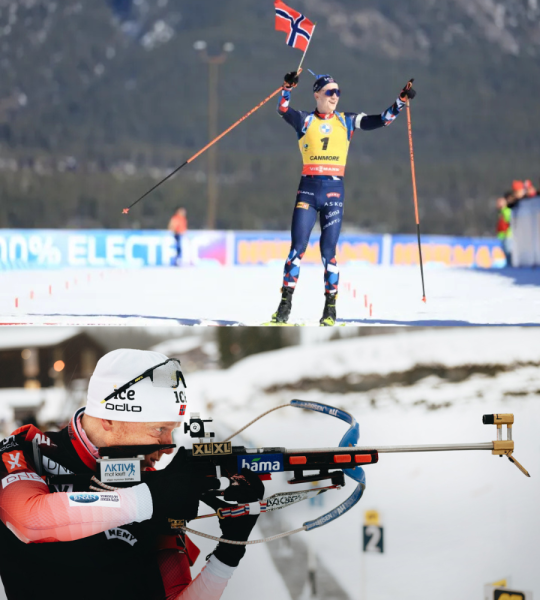
Biathlon is a demanding winter sport that combines cross-country skiing with rifle shooting. Athletes must ski long distances before stopping to shoot targets, where accuracy is just as important as speed. The sport is especially popular in Norway, Germany, and other parts of Northern Europe, according to nbcolympics.com. Norwegian athlete Mr. Johannes Thingnes Bø is one of the most successful biathletes in Olympic history. He earned multiple Olympic medals, including one gold at the 2022 Winter Olympics, establishing him as one of the sport’s most dominant competitors, according to nbcolympics.com.
Although mainstream events overshadow curling, biathlon, and skeleton, these sports represent the diversity and global reach of the Winter Olympics. Each sport reflects the culture of different countries while showcasing athletic excellence on the world’s biggest stage. As viewership continues to evolve, these lesser-known events remain an essential part of the Olympic tradition. Senior Victoria Whiteley will attend Colby College in the fall as a Division I skier. She shared her perspective on why sports in the Paralympics and Olympics deserve greater recognition.
“Athletes spend their entire lives working toward one moment, and getting to that level is something that deserves to be known and celebrated,” Victoria said. “Every sport, in both the Olympics and Paralympics, represents someone achieving their dream, and that level of dedication deserves equal recognition.”
Featured Image by Ellie Furman ’26
