


At the onset of the 21st century, approximately 943 million acres of farmland spanned the United States (US), according to farmlandpartners.com. By 2025, that number had shrunk to 873.95 million acres, according to profarmer.com. Technological advancements in farming have led to increased productivity in farm operations. However, a main driver of this long-lasting trend is the consolidation of farms by large corporate investors. Farmland is an attractive investment opportunity due to its decreasing supply combined with the growing demand for food, according to farmlandpartners.org. However, the US crop sector of the agricultural industry is currently facing a recession due to policy uncertainty and high input costs, according to agweb.com. America prepares to face greater farmland consolidation in 2026, with low prices and high costs on track to push weaker operations out of the industry.
Since 1950, the number of farm operations in the US has declined by 66 percent, and acres of farmland have declined by 27 percent, according to fb.org. Though the US population has more than doubled over this period of time, technological advancements have allowed farmers and ranchers to increase productivity, leading to consolidation of small farms.
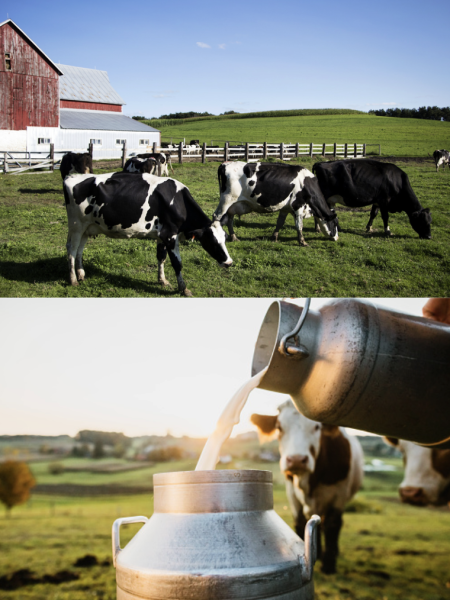
Economic pressures continue to drive small to mid-size, independently-owned farm operations out of America’s agriculture industry in the modern day. Moreover, the average age of farmers in America continues to grow older, and the profitability of new, smaller-scale farms is not promising, according to farmpolicynews.illinois.edu. For example, dairy farms in Wisconsin in particular have seen major consolidation over the last two decades. Recent data shows that there were about 5,100 herds operating in Wisconsin at the start of 2026, which is roughly a third of the amount licensed two decades ago, according to wpr.org. Despite this decrease in the number of operations, dairy production has stayed relatively stable. Experts expect the number of producers to continue to decrease over the coming years while the local impact on rural communities remains uncertain.
From 2018 to 2025, the number of farms making 1 million dollars or more in sales increased by 50, while the number of farms making $1,000 to $9,999 yearly fell by 8,000, according to agriculture.com. In fact, 58 percent of small farms are at risk for sale or acquisition before 2030, according to agweb.com. However, research shows the risk of consolidation or ownership transfer never drops below 27 percent, even for the largest operations. Mr. Wil Smyers, Director of Grounds, commented on the destructive trend of farmland consolidation.
“The effects of factory farms have driven the cost of land up to where it is difficult for new farmers to purchase a farm and get started,” Mr. Smyers said. “Recent economic swings and trade issues have made the supply costs unaffordable and reduced the demand costs, making just breaking even financially very difficult. Factory farms also traditionally ‘pillage’ the land, basically just pumping the crops with fertilizer and chemicals to force production. Land and environmental management is not a priority, yield is.”
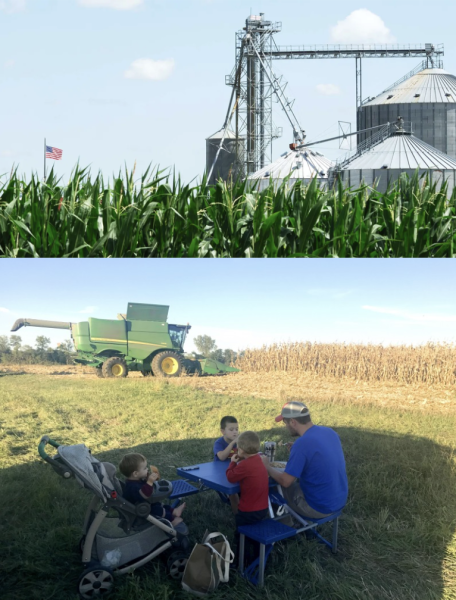
A key component and long-standing characteristic of American farms is tradition and family. However, increasing production costs can deter new farmers from emerging in the industry. Combined with the aging demographic of American farmers and trend of consolidation, family-owned farms are decreasing. Often, family-owned farms do not have the same resources to counter challenging economic trends as large-scale farms do, according to lancasterfarming.com. Mr. Smyers explained the role of family farms as cornerstones of rural communities, which become vulnerable to corporate or government consolidation.
“My family actually had a family farm in rural western Pennsylvania for many years,” Mr. Smyers said. “I used to work on it as a kid. The local hardware store, farm store, equipment dealer and more all relied upon the local farmers for their businesses as well, which employed local residents. There were relationships formed and a true sense of community. Family farms also usually meant that the families would stay within the community, handed down from one generation to the next. Now, it is not just the farms being consolidated, but the box stores and large suppliers have also wiped out the local independent hardware stores, feed stores, grocery stores, and more.”
The long-term trend of consolidation changes the economic landscape of the agriculture industry. Farm consolidation and urban sprawl have had significant impacts on rural communities and generations of farmers, according to lancasterfarming.com. Mr. Smyers commented on possible outcomes and reformations in the agriculture industry.
“Factory farms usually rely on other corporations or themselves for their supplies, getting better deals via the large orders and controlling the prices,” Mr. Smyers said. “Overall, rural communities have declined, leading to outward migration, lower income levels and poor economies. Any policy that would limit the influence of factory farms on the costs of supplies and land would help. Even more strict land management and climate change penalties would help as well, something that actually affects the corporations’ bottom lines.”
Featured Image by Caroline Gammon ’26
