



Modern athletic training is no longer solely based on performance outcomes, but increasingly associates recovery, injury prevention, and mental health as essential aspects of long term success, especially for female athletes. As research continues to highlight the limitations of male-centered training research, there is growing recognition that women require approaches tailored to the physiological and psychological needs of the female body and mind, according to gendermed.org. This shift reflects a broader change in sports culture, where prioritizing overall well-being, reducing injury risk, and supporting mental resilience are seen as critical to optimizing both performance and athlete longevity, according to nih.gov.

The lack of research on elite female athletes, in comparison to their male counterparts, leads to difficulty in advising female athletes on how to optimize performance and well-being, according to nih.org. Though there has been a recent increase in female inclusion in sports-related studies, many of the women included have been recreational athletes rather than elite athletes. This lack of inclusion forces female athletes to train and recover on the basis of male-centered research which can lead to higher injury rates, incorrectly managed nutritional needs, and missed performance potential, according to physiology.org.
Due to the majority of sports research focusing on men, there is a lack of research pertaining to the fact that women are more susceptible to many of the most common sports injuries, as well as the most effective injury prevention for women, according to health.harvard.edu. Since much of the research has historically focused on men, there are now significant gaps in women’s sports injury prevention. Often, people treat female athletes as “small men,” disregarding distinct physiological, hormonal, and bio-mechanical differences, according to srortho.com. For example, women have a higher rate of ACL injuries in sports like soccer due to landing with more upright postures and different muscle activation than men, according to nih.gov. Dr. Amy West, a Sports Medicine Psychiatrist at Northwell Health, shared her point of view on the missing research on women in relation to sports.
“We need extensive research to better understand women’s ACL, but it’s not happening and it’s unnecessarily difficult to fund,” Dr. West said, according to northwell.edu. “The lack of research doesn’t only affect athletes. Consider women at any stage of life being encouraged by their doctors to incorporate more movement into their lives to address myriad ailments. Rarely is there encouragement to lift weights, despite actual evidence supporting this modality for women at every age and level of fitness.”
Historically, high-level sports prioritize performance over injury prevention due to a “win-at-all-costs” mentality. This approach to competitive sports often demands athletes to look past their own physical and mental welfare to ensure high performance, according to nih.gov. When injury prevention is not the first priority, athletes can also become more vulnerable to mental health challenges. Especially among young female athletes, athletic pressure and the injuries that result from it are linked to an increased risk of suicide and eating disorders, according to deconstructingstigma.org.
Now, mental health is widely recognized as a critical component of athletic training and competition readiness. Many coaches now try to incorporate cognitive skills to increase performance, including visualization, goal setting, and positive self-talk, according to deconstructingstigma.org. High-level athletes need specialized mental support to manage intense performance anxiety, burnout, public judgement, and injury-related stress. Sports psychologists and having open communication between athletes and coaches fosters an environment that promotes resilience, prevents burnout, and ensures mental health is treated as equally important to physical wellbeing, according to nih.gov. Dr. Rachel Vanderkruik, Director of Psychology and Implementation Research and Staff Psychologist with the Center for Women’s Mental Health at Massachusetts General Hospital, emphasized the importance of recognizing the importance of mental health in sports.

“Mental health is like a muscle, just like we physically train and condition our muscles, it’s also important to practice and develop these mental skills,” Dr. Vanderkruik said, according to massgeneralbrigham.org. “The more you practice them, the stronger and more effective they become. The more you can practice how to respond to difficult emotions and unhelpful thoughts, and what to do with symptoms of anxiety or depression, the better you can cope and perform. The mental side of sport is just as important as the physical side of competing and performance.”
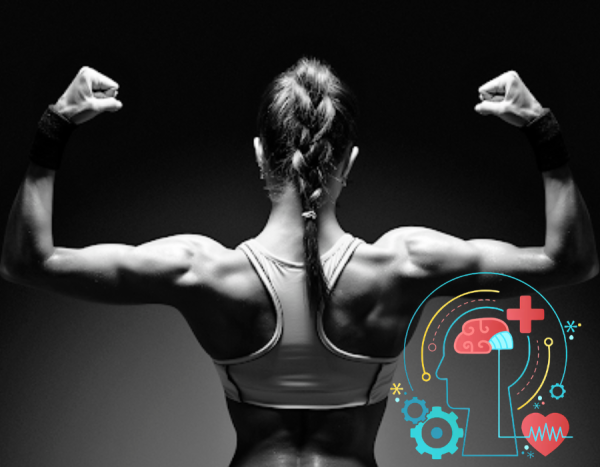
Featured Image by Catherine Ononye ’27
