
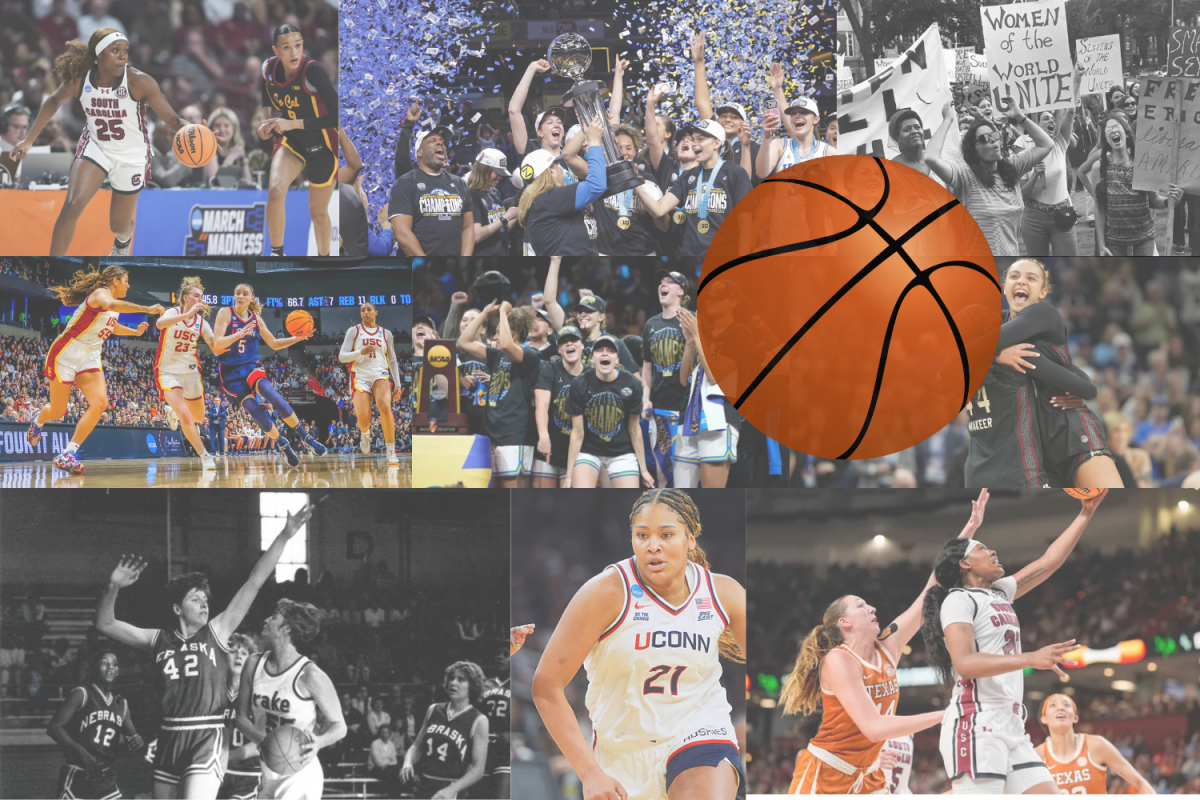
As brackets fill and buzzer-beaters dominate headlines each March, a different kind of momentum has been building alongside the madness. While the National Collegiate Athletic Association (NCAA) men’s basketball tournament has long defined the month, Women’s History Month is increasingly intersecting with March Madness, as women’s basketball gains unprecedented visibility, investment, and cultural relevance, according to britannica.com.
For decades, the women’s NCAA tournament existed in the shadow of the men’s, receiving less media coverage, fewer resources, and minimal promotion. However, recent years have marked a turning point in this trend. The organization began using the term “March Madness” for the women’s tournament in 2022, a symbolic but significant step toward equity in branding and recognition. At the same time, disparities in facilities and funding sparked national conversations about gender inequality in college athletics, according to csw.ucla.edu.
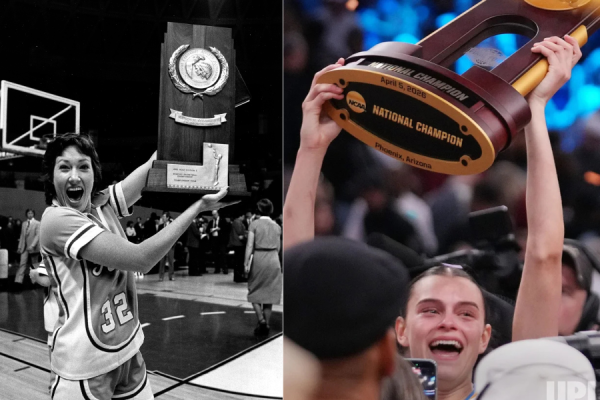
Now, that conversation is translating into tangible change, which is especially evident in this year’s tournament. Top-seeded teams such as University of South Carolina, Iowa State University, and University of Southern California (USC) have advanced deep into the bracket, continuing dominant seasons and drawing national attention, according to espn.com. University of Connecticut (UConn) has also re-emerged as a strong contender, reinforcing its legacy as one of the most successful programs in women’s college basketball. With highly competitive matchups and record-breaking performances, this year’s standings reflect both the depth of talent and the growing stakes of the women’s game. Sophomore Juliet Parsons, a student in the Digital Communications class, noted that this rise in attention reflects a shift not only in sports culture, but also in how media platforms choose to highlight athletes and stories.
“It just feels like everyone is actually paying attention to women’s games this year,” Juliet said. “You see it all over social media, and people are talking about the players in the same way they talk about the men’s tournament.”
This rise in popularity also reflects broader cultural shifts emphasized during Women’s History Month. The month of March serves to recognize women’s contributions and their ongoing fight for equality, something that is now visibly unfolding in sports. Increased opportunities have allowed female athletes to capitalize on their success, particularly through Name, Image, and Likeness (NIL) deals and brand partnerships, further elevating their presence both on and off the court, according to 2adays.com. In many cases, top female athletes rank among the most marketable figures in college sports.
At the collegiate level, this shift is also changing how fans engage with March Madness as a whole. Schools are promoting both tournaments more equally, and social media coverage has expanded to highlight women’s games at the same intensity as men’s matchups. Increased advocacy and visibility efforts have played a major role in pushing for gender equity in college athletics, helping drive greater attendance, media coverage, and investment in women’s sports, according to csw.ucla.edu.
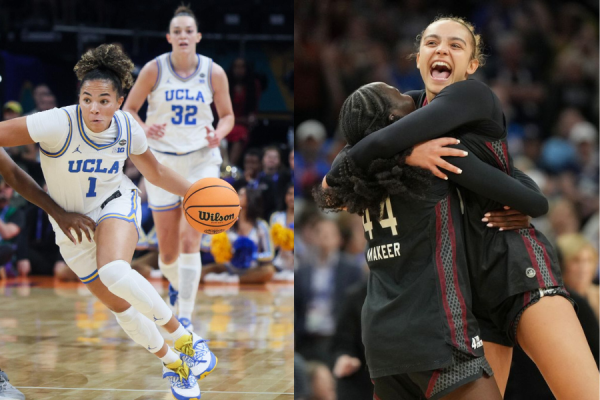
This year’s tournament ultimately came down to University of California, Los Angeles (UCLA) and South Carolina, two programs that have consistently dominated throughout the season. UCLA is the 2026 NCAA Women’s Basketball Champion, defeating South Carolina 79-51. The victory not only capped off an intense tournament run, but also drew record attention, further cementing the growing influence of women’s basketball, according to espn.com.
This moment represents more than just a championship, but a broader cultural shift in recognition and opportunity for female athletes. Juliet added that the visibility of this year’s tournament shows how women’s sports are no longer an afterthought, but a central part of the national sports conversation.
“I think it’s bigger than just who wins,” Juliet said. “More people watching and caring about these games is what’s really changing things, and it makes it feel like women’s sports are finally getting the recognition they deserve.”
Featured Image by Avery Quake ’26
