


Small, daily spending may seem insignificant, but, over time, they can create a substantial economic impact, according to eagleobserver.com. In the United States (US), teenagers spend, on average, over $2,000 per year on food and clothes, according to cnbc.com. Whether they are buying a coffee after school, grabbing lunch with friends, or shopping at nearby stores, teenagers are constantly making choices that support local and non-local businesses.
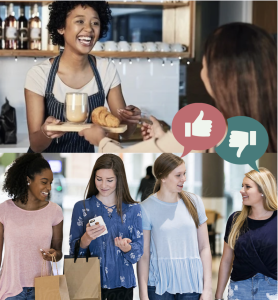
Teenagers mainly spend their money on things like food, clothing, and entertainment while hanging out with friends, according to pipersandler.com. Purchasing clothing is a large contributor to teenage spending, since trends are always changing, and new things are constantly coming to the market, according to woottoncommonsense.com. New fashion trends appear so often that teenagers must decide on which styles they should spend their money.
Entertainment is also a big part of how teenagers spend their money and free time. Choosing activities that require spending, such as going to the movies, as ways for teenagers to relax and socialize with friends makes the entertainment industry a draw for teenage consumers. Nowadays, social media also has a big influence on these choices with the rapid and frequent rise of various trends, according to forbes.com. All of this spending reflects a growing sense of responsibility, as teenagers learn how to make more sensible decisions, according to safefed.org. Ms. Roberta Katz, Stanford University Senior Research Scholar, explained how shopping and engaging in activities that require spending money can be tools for social connection for teenagers.
“Gen Zers, by and large, are very much aware of how important it is to stay human in this digital age,” Ms. Katz said, according to cnbc.com. “They like to be with each other. They appreciate face-to-face and one-on-one communication. And so shopping for some of them might be an opportunity to go into a store, have a real-life experience.”
Teenage spending does not just help support local businesses, but, in some ways, it actually changes the way they operate. Some shops and cafes have adjusted what they sell to be more trending so that they appeal more to teenagers, while keeping in mind the overall shopping experience, according to adage.com. Freshman Ariel Almonacy, a teenage entrepreneur, explained the impact of teenage consumers on her nail business.
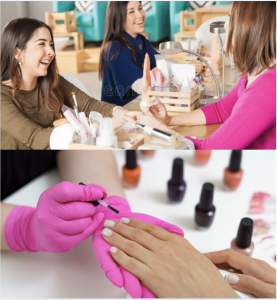
“Around 90 percent of my customers are teenagers,” Ariel said. “I believe teenage customers have a huge impact on my business since they make up the majority of my customers.”
While some teenagers prefer to spend at local businesses, others prefer shopping at large chains or online. Though many value local businesses, online shopping is the more convenient option, according to pewresearch.org. Many teenagers are driven towards platforms like Amazon, with almost 50 percent of teenagers opting for online shopping, according to finance.yahoo.com. Online trends tend to influence shopping habits, even in local businesses with in-person stores. Ariel described the most common teenage spending habits and how that benefits her business.
“I think trends heavily impact what teens ask for when new nail designs or ideas gain popularity,” Ariel said. ” Many customers have presented photos or inspirations from apps like Pinterest, Instagram, and TikTok.”
Featured Image by Gray Neville ’27
