
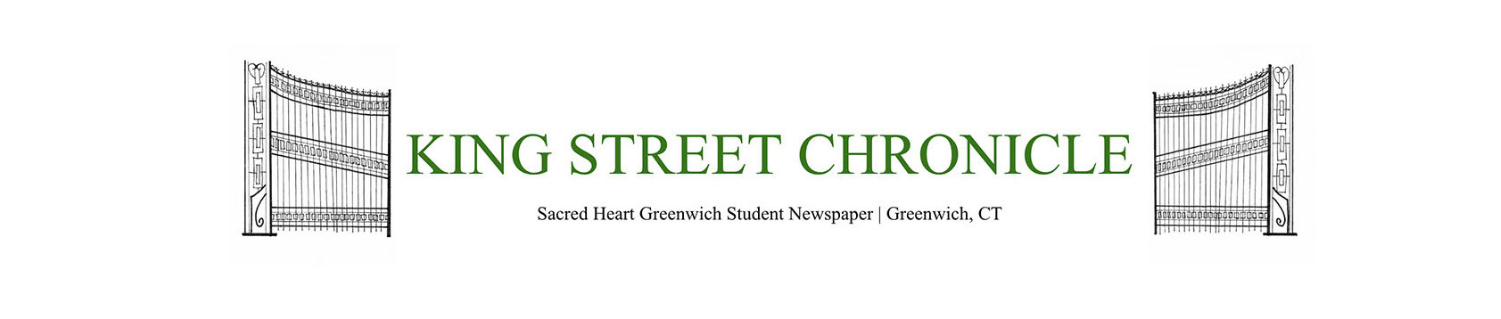


Monarchs have served as leading figures in society since circa 3200 BCE, first originating in ancient Egypt and Mesopotamia where rulers governed city-states in response to the growing complexity of early human civilizations. As populations transitioned from nomadic lifestyles to settled farming, different types of sovereigns emerged around the world to maintain order, offer military protection, manage resources, and represent power and success, according to britannica.com. Thousands of years later, 43 countries, including those in the British Commonwealth, still recognize a monarch as their head of state, according to The New York Times. Yet, only seven of these countries maintain rulers with absolute power, meaning that the rest uphold constitutional monarchies, where monarchs serve as figureheads and hold ceremonial roles without political authority. This distinction emphasizes a significant transformation in the role of monarchs, shifting from political necessities to cultural influencers and symbols of national identities.
Although the 1689 Bill of Rights in the United Kingdom (UK) established parliamentary supremacy and limited the Crown’s power, it took hundreds of years for these changes to fully take effect, according to parliament.uk. Sir Robert Walpole became Britain’s first Prime Minister in 1721, and while Queen Victoria continued adjusting her role to a more ceremonial position, it was King Edward VII, who ruled from 1901 to 1910, who solidified the role of the modern constitutional monarch by focusing on public duty and representing the state rather than engaging in politics, according to bbc.uk.
Spain established its constitutional monarchy much more recently in 1978, marking a direct transition to a democratic government following Mr. Francisco Franco’s dictatorship, according to The New York Times. Even though King Juan Carlos I was Mr. Franco’s chosen successor, he decided to step back from his political role in order to unite the deeply divided country and help to facilitate a shift into a stable democracy.
Mrs. Anne Tozzi, Sacred Heart Greenwich Upper School Advanced Placement (AP) Art History Teacher, is from England and studied at Oxford University. She shared how monarchies around the world have changed over time and how they embrace the changes of modern society.
“I think that there has been a definite shift in the way the monarchy operates in these more democratic times,” Mrs. Tozzi said. “Over the last 100 years they have become less and less comfortable with the ostentatiousness and reacted by blunting their displays of privilege and power. In King Charles III’s recent coronation, for example, there were several items that he chose not to use, such as a particular crown because of its disputed ownership.”
Japan, which also maintains a constitutional monarchy, has the oldest hereditary line of succession in the world, according to history.com. However, despite some of its efforts to modernize, such as abolishing the idea of the divine right to rule, the system has faced significant criticism for laws that mandate that only men can inherit the throne, according to latimes.com. Additionally, while male members of the Japanese royal family may marry female commoners and retain their royal status, women do not have the same freedom, as they must give up their title and status if they choose to marry a non-royal.
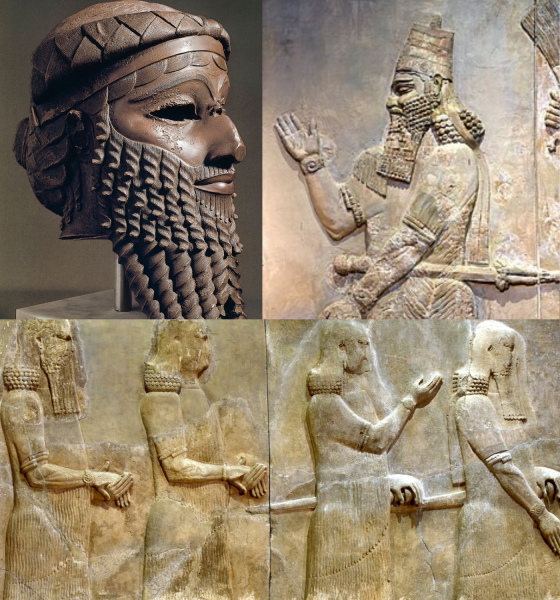
Much change has taken place within monarchies all over the world in the twenty-first century that emphasize progress as well as cause for reforms, according to wsj.com. For instance, in 2004, King Felipe VI of Spain married a commoner and former journalist, Queen Letizia of Spain, which brought the crown closer to the public and stabilized the monarchy through focusing on family and ceremonial duties rather than direct interference with Spain’s politics, according to tatler.com. Meanwhile, the 2018 marriage of Prince Harry, Duke of Sussex to former actress Meghan Markle, Duchess of Sussex, who is also a biracial woman, sparked controversy through highlighting the rigidness of the traditional institution and unwillingness to accept some types of change, according to bbc.com.
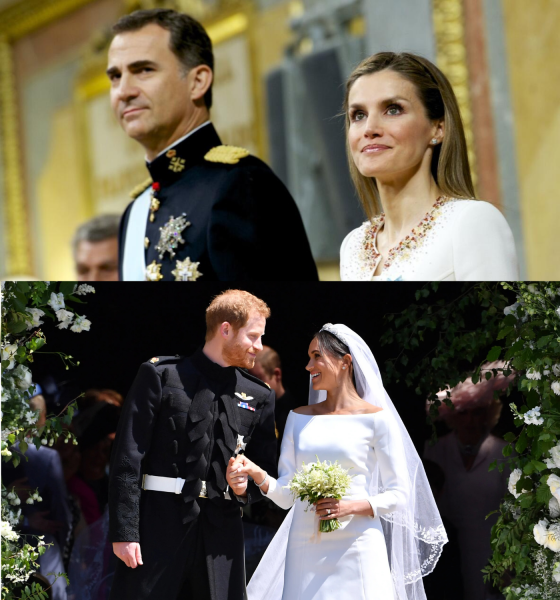
Today, many monarchs and members of royal families serve as cultural icons rather than political leaders, according to anu.edu. For example, the late Diana, Princess of Wales, the ex-wife of King Charles III of the UK, was a globally celebrated humanitarian and style icon as well as one of the world’s most photographed people, according to theprincessdianamuseum.org. Princess Diana, or “The People’s Princess,” broke royal norms though her authenticity in regards to her mental health struggles and strained marriage with King Charles III, reduced the stigma around diseases such as Acquired Immunodeficiency Syndrome (AIDS), and attracted international attention to the prevalent issues of poverty and homelessness, according to CNN. Furthermore, the late Queen Elizabeth II represented a strong sense of stability throughout her 74 year reign, which is the longest in Great Britain’s history. Mrs. Tozzi contrasted the United States’ (US) government with the UK’s and expressed the best ways for the British royal family to maintain relevance as democratic societies move forward.
“It’s interesting to see this sort of stability and continuity in society compared to how Americans, under their constitution, have a peaceful transfer of power from one person to another, which is so unusual in global politics,” Mrs. Tozzi said. “Britain doesn’t have an equivalent constitution, but that continuous monarchy gives some of that same peaceful stability. So symbolically, I would like to think that the monarchy will still exist for at least the next 50 years. I think that the royal family does their best work when they lean to the side of not expressing political opinions. It’s difficult for the newer generation of monarchs in particular because it’s a very counter culture sort of thing to be a public figure who doesn’t have an opinion, but it’s very important that the monarch doesn’t publicly support a certain party or initiative.”
Featured Image by Blaire Williamson ’27
