



As social media continues to grow, content creators gain more influence in shaping people’s opinions and creating cultural trends. However, as these creators’ accounts expand, they often begin advertising for existing brands or even creating their own. Although many brands pay influencers to promote their products, promotions frequently lack engagement, weaken viewer-creator relationships, and limit creative freedom. As a result, around 73 percent of influencer campaigns fail, according to launchpointhq.com. Overall, companies should limit content creators’ opportunities to create and promote brands, as they often lack sufficient knowledge in certain areas of expertise required to build a brand.
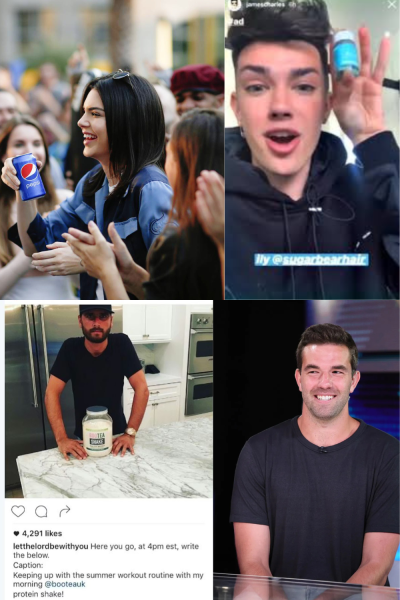
Over the last few years, brands have spent money on ineffective influencer marketing campaigns. This practice can lead to unethical business practices such as fraud, misrepresentation, and unreliability. Social media users can lie to brands by buying fake followers or manipulating the appearance of their engagement. This deception causes brands to spend up to 15 percent of their advertisement spending, which leads to companies wasting money on sponsoring influencers, according to businessinsider.com. Mr. David Camp, Co-Founder of the marketing company Metaforce, commented on influencer sponsorships.
“[The] negative impacts [of influencers] are more likely in this domain because most of these online influencers do their own thing, and they’re basically hustlers,” Mr. Camp said, according to businessinsider.com. “They’re trying to build an audience so that they can monetize it, and they’re not typically represented by very polished spokespeople and agents that rep them to marketers and agencies.”
After gaining followings from social media, many content creators build their own brands. This year, the most recognized brands around the world are influencer-owned, according to amraandelma.com. However, many of these consumer-based brands begin to fail immediately due to lack of commitment, oversaturated markets, or scandals, according to hashtagpaid.com.
Many industry experts argue that social media influencers often lack the professional knowledge to create and manage brands. Building a brand does not only require popularity, but also needs time, effort, and investment according to forbes.com. Notably, several influencers gain followers through performances rather than expertise in areas of business management or making products. Without this knowledge, the products may be ineffective, leading to failed brands and decreased viewer-creator relationships.
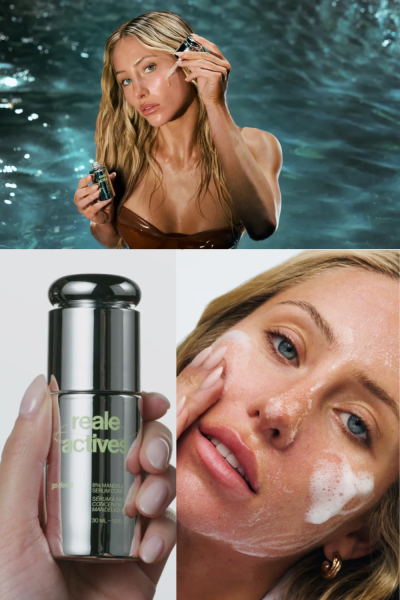
Since 2020, Ms. Alix Earle, a social media personality and content creator, has been open about struggling with breakout-prone skin. Recently she built her own skincare brand, Reale Actives, for people also struggling with acne. This launch caused controversy online, as Ms. Earle has also spoken out online about taking Accutane and spironolactone, two prescription medications used to combat acne, according to allure.com. Social media critics accused Ms. Earle of using her prior openness about her struggles to promote her brand, according to msn.com. This reflects a broader idea that audience familiarity with a creator can either strengthen interest or increase skepticism about intent.
Although many influencer-led brands fail, a substantial number succeed. One example is Mrs. Hailey Bieber’s skincare and makeup brand, Rhode. Within three years, the Rhode brand became a billion dollar company. Many viewers assumed that Mrs. Bieber’s brand is successful because of her social media fame and marriage to singer, Mr. Justin Bieber. However, Mrs. Bieber worked with a cosmetic chemist, Dr. Ron Robinson and dermatologist, Dr. Dhaval Bhanusali to ensure that her products were effective for the majority of skin types. Additionally, Mrs. Bieber kept the brand simple, creating only ten products. Mrs. Bieber also stays very involved in authentically advertising her brand on social media, according to aadilsyed.medium.com.
Although some influencer-owned and advertised brands can be successful, most of them negatively impact the industry. They create a distrust for consumers while also wasting money on inconsistent advertisements from people who have limited education on the products they are promoting. Due to lack of education and knowledge, companies should limit content creator’s opportunities to create and manage brands.
Featured Image by Elizabeth Galgano ’28