


The Upper School (US) Global Scholars program visited the United Nations (UN) for a Focus on Women tour November 10. There, students had the opportunity to learn about the contributions women have made in human equality and rights within the UN. They learned about the work women do in the UN do to develop peace, security, and development, according to un.women.org. The UN continues to strive towards reforming unjust laws, social behavior, and services to close the gender gap and create a more equitable world for women, according to unwomen.org.
This work is directly in correlation with the UN’s Goal Five, gender equality, to ensure equal opportunity for all, according to sdgs.org. One of the key focuses of national policies is to eliminate systemic barriers through political leadership and comprehensive policy, according to un.org. Women are driving change across the UN, including in the security council, peace operations, and sustainable development goals.
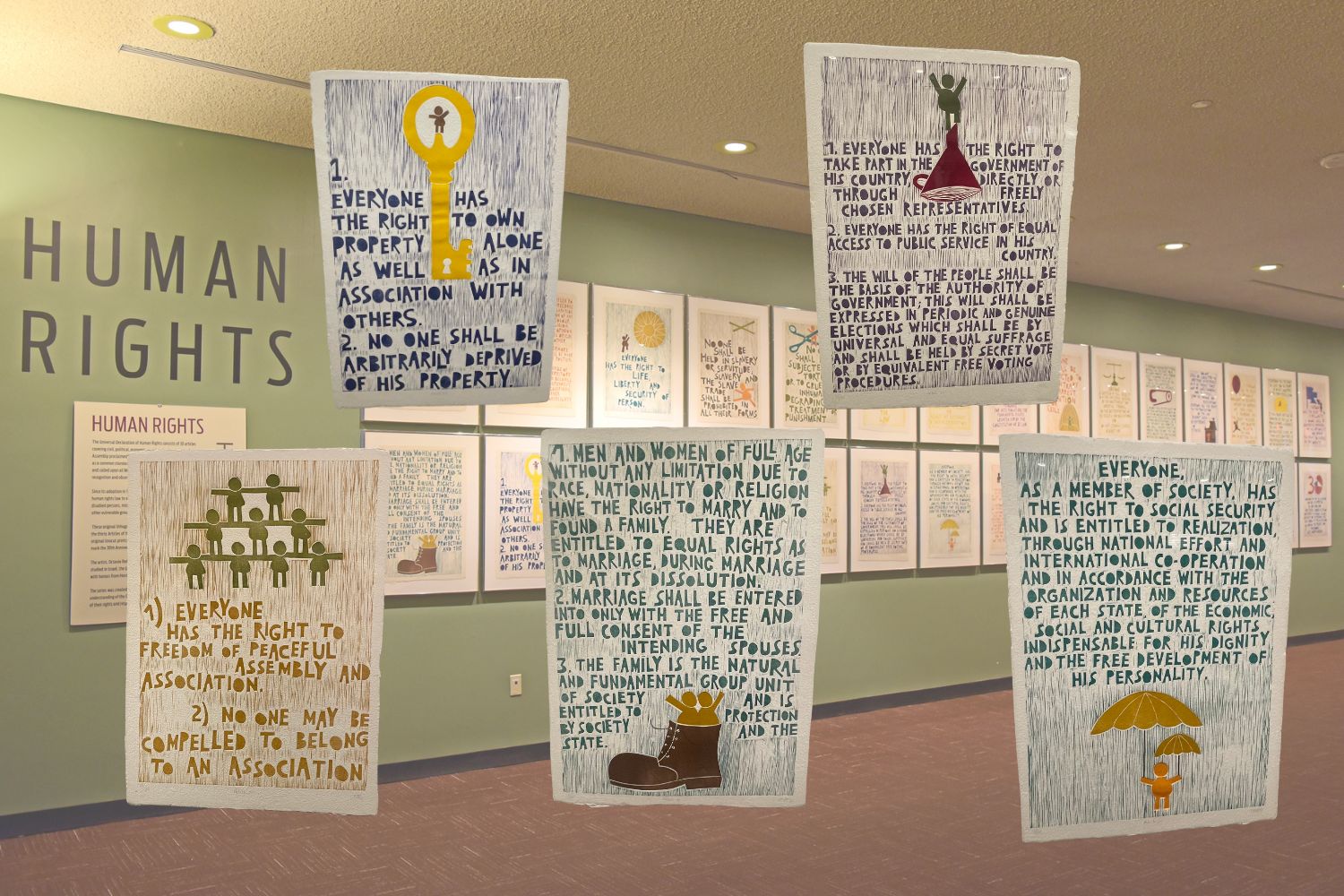
On the tour, the students learned of the many notable women who have influenced the organization throughout its history. One of the most influential women was former First Lady, Mrs. Eleanor Roosevelt, who served as a delegate for the UN and the first chairperson of the UN Commission on Human Rights. She played a crucial role in the creation of the Universal Declaration of Human Rights (UDHR), according to cptv.pbslearningmedia.org. This is a document that lays out the fundamental human rights that the UN protects universally, according to un.org.
Students also learned about Ms. Margaret Joan Anstee, who served as the first woman Under-Secretary General of the UN and is a former Director General in Vienna, Austria. She had worked with the organization since 1952, in the aftermath of World War II. Ms. Anstee also became the first woman to head a UN peacekeeping operation, serving with the UN Angola Verification Mission II (UNIVEM II), according to news.un.org. The UN created this mission to confirm the arrangements agreed upon by the Government of Angola and the União Nacional para a Independência Total de Angola, according to peacekeeping.un.org.
Sacred Heart students visited the UN Security Council, which is mainly responsible for the preservation of international peace and security. This council adopted a resolution on women, peace, and security October 31, 2000. They learned about the resolution that restates the vital role of women in the prevention and resolution of conflicts and peace negotiations, according to un.org. This resolution pressures UN officials to increase the inclusion of women and incorporate gender viewpoints in all UN peace and security attempts, according to un.org. It acknowledges that women suffer horrific harm from war conflict, mainly in areas characterized by high levels of gender inequality, poverty, and little legal protection. The Women, Peace, and Security (WSP) agenda consists of four pillars, which are prevention, protection, participation, and relief and recovery, according to unwomen.org. These pillars provide a framework for maintaining order by ensuring that resolutions include female perspectives, protect them from violence, and support them in their roles, according to unwomen.org. Mrs. Oliva Kolenberg, Upper School Librarian and Global Scholars Program Co-Coordinator, discussed how the UN aims to promote gender equality around the world.
“I think a big part of [the UN’s work on gender equality] is that program they run through the commission,” Mrs. Kolenberg said. “They have that whole division that is basically devoted to spending time working on equality and promoting awareness. They also do a fair amount of outreach internationally and, with one of the headquarters being here, there’s a lot of activism partnership that they can do with young people. They bring in young women speakers and they also try to do [public relations] for it as well and share what information they have.”
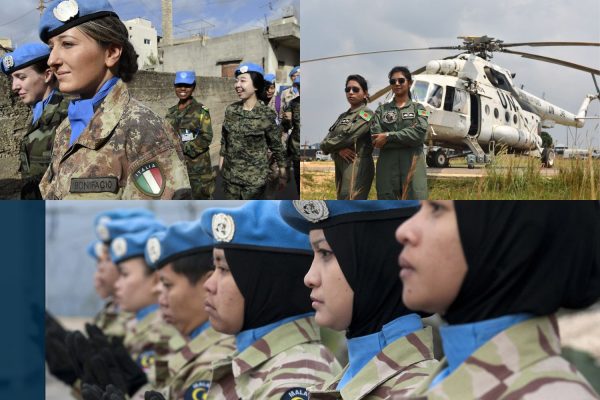
The UN places women in police, military, and civilian roles within peacekeeping operations. These women play a prominent role in peacekeeping operations by gaining better access to communities and inspiring local women to participate in political processes, according to peacekeeping.un.org. Female peacekeepers build strong bonds with local communities, such as in the Central African Republic, South Sudan, the Democratic Republic of the Congo (DRC), Lebanon, Mali, and Liberia.
Including women in peace negotiations reduces the likelihood of the agreement failing by 64 percent, according to wiisglobal.org. Women offer expanded perspectives on global conflicts, and they allow for more inclusive agreements. Research also shows that women in peacekeeping operations ultimately make military troops more effective, according to ipinst.org. Still, activists face backlash against women’s rights, according to peacekeeping.un.org.
The students learned about the UN Sustainability Goals, especially Goal Five, which is to achieve equality and empower all women and girls, according to un.org. Gender inequality in various countries slows down social progress, according to un.org. Some of the Sustainable Development Goals involve universal access to reproductive health and rights and eliminating forced marriages, according to globalgoals.org. Fulfilling these targets brings the UN closer to closing the gender inequality gap globally. The rest of the 17 Sustainable Development Goals depend on the achievement of Goal Five, according to sdgs.org. However, countries like Afghanistan, Iran, Iraq, Congo, and South Sudan still lack laws that ensure women’s safety from physical violence and discrimination, according to unwomen.org.
During the tour, students visited different council rooms and learned about the different committees that focus on gender equality, such as the Security Council. They were able to learn that, despite the UN’s constant work to achieve Goal Five, they are able to recognize past shortcomings. The group learned about the contributions of different women from various countries and how they have impacted the UN. Mrs. Kolenberg shared what she hoped students gained from the trip.
“Our hope for the remainder of the year is that we will use the information from the Focus on Women tour to guide activities and projects [that] cohort[s] will do,” Mrs. Kolenberg said. “I think and hope [they] all were able to learn more about the role that women have had and continue to have in the UN, and how women’s contributions to the global stage can have great impact.”
Featured Image by Gianna Rodrigues ’27
