
Wicked: For Good, the highly anticipated conclusion to the two-part film adaptation of the Broadway production Wicked, premiered in cinemas November 21, 2025. The film has already proven successful, earning more than $150 million in its opening weekend box office, according to CNN. Following the release of the first film, Universal Studios attributed approximately $90 million to global promotional efforts of Wicked: For Good, according to variety.com. This investment allowed for a year-long marketing campaign that kept the Wicked brand at the center of pop-culture conversation.
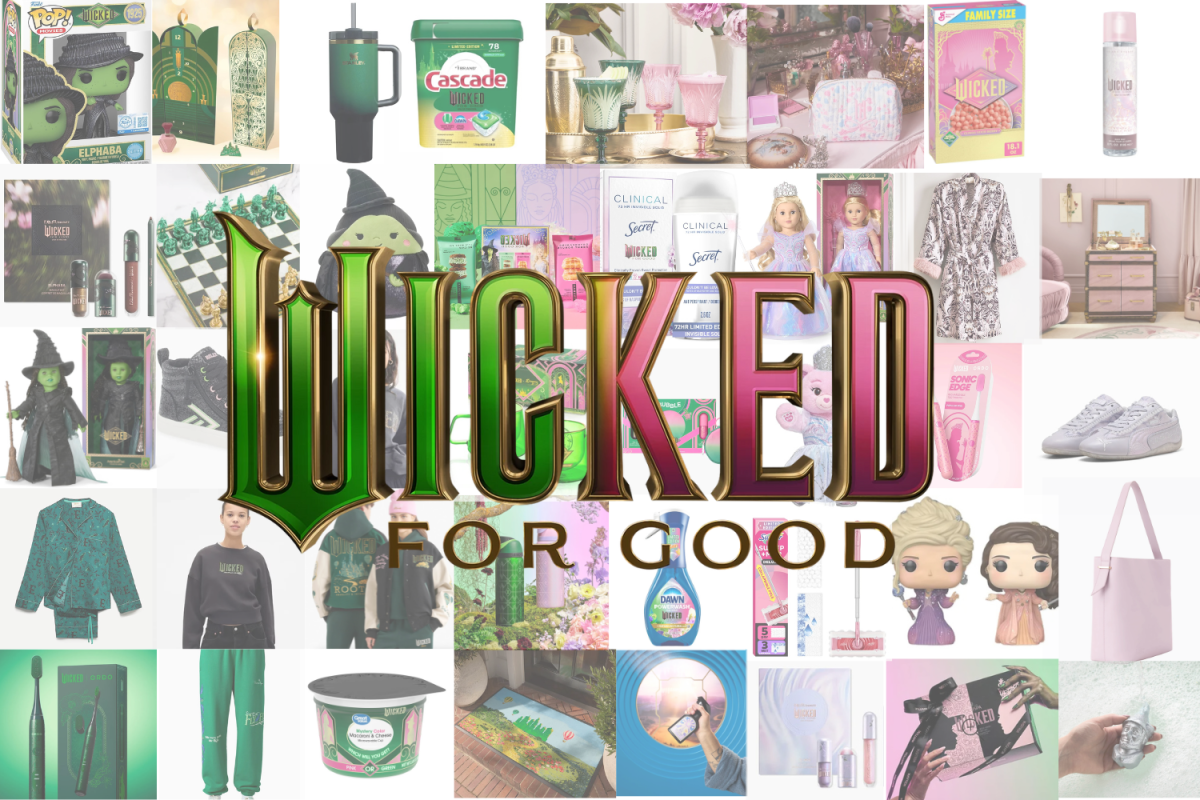
After the first film, Wicked, premiered November 22, 2024, Universal Studios faced the challenge of keeping momentum alive between the two releases. The entertainment company integrated the Wicked brand into everyday life through partnerships that appeared in morning coffee orders, travel experiences, and home décor, according to deadline.com. Brand collaborations often help build credibility and introduce media franchises to new consumers. In fact, 85 percent of businesses find brand partnerships important to the success of their work, according to forbes.com. Wicked fan and Sacred Heart Greenwich senior Lexi Parsons commented on the effectiveness of Wicked’s marketing promotions into everyday life.

“I feel like everywhere I go I have been seeing Wicked brand partnerships and promotions for the new movie,” Lexi said. “It has definitely caught my attention and makes me more interested in seeing the film.”
Several major brands brought Wicked into physical spaces. Airbnb offered fans the chance to reside inside the world of the film, transforming a getaway into Elphaba Thropp’s retreat with themed décor and an immersive overnight experience. Furthermore, Hilton Hotels and Resorts launched a Wicked suite at the New York Hilton Midtown last year, demonstrating the franchise’s expanding presence in hospitality even before the release of Wicked: For Good.
Home décor brands joined in the advertising as well. Pottery Barn debuted two full collections inspired by the movie, featuring Elphaba and Glinda themed bedding, accessories, barware, and room accents. These designs reflected the aesthetic of the fictional Shiz University, bringing the film’s style into fans’ personal spaces.
For everyday shopping, Target became a major destination for Wicked merchandise, selling nearly 200 exclusive products, including apparel, vinyl records, and toys. The retailer also partnered on collaborations such as the Wicked: For Good x Katie Kime collection, offering multiple ways for consumers to engage with the brand according to deadline.com.

Fast food promotions expanded this year as well. In 2024, Starbucks partnered with the franchise. During promotion for Wicked: For Good, Universal Studios shifted to a Dunkin’ partnership, a brand closely associated with Generation Z (Gen Z). In fact, Gen Z represented nearly one third of the sequel’s opening weekend audience. Dunkin’ launched a global promotional campaign featuring themed drinks, pink and green sprinkled Munchkins in collectible packaging, and new merchandise, according to news.dunkindonuts.com.
Wicked exposure also maintained a strong online presence. Content shared by stars Ms. Ariana Grande and Ms. Cynthia Erivo reached millions within hours, keeping the sequel consistently visible on social media, according to billboard.com. In addition, songs such as Defying Gravity and Popular resurfaced on TikTok, where transformation videos and costume recreations helped the film trend throughout the year.
Wicked: For Good demonstrates how major film franchises rely on visibility to remain relevant in a crowded entertainment market. By extending the story into consumer spaces, Universal Studios created a marketing campaign that encouraged participation, not just awareness. As the film continues its theatrical run, its promotional strategy may serve as a model for future releases. For Wicked, the magic began long before the curtain lifted.
Featured Image by Ellie Furman ’26
