


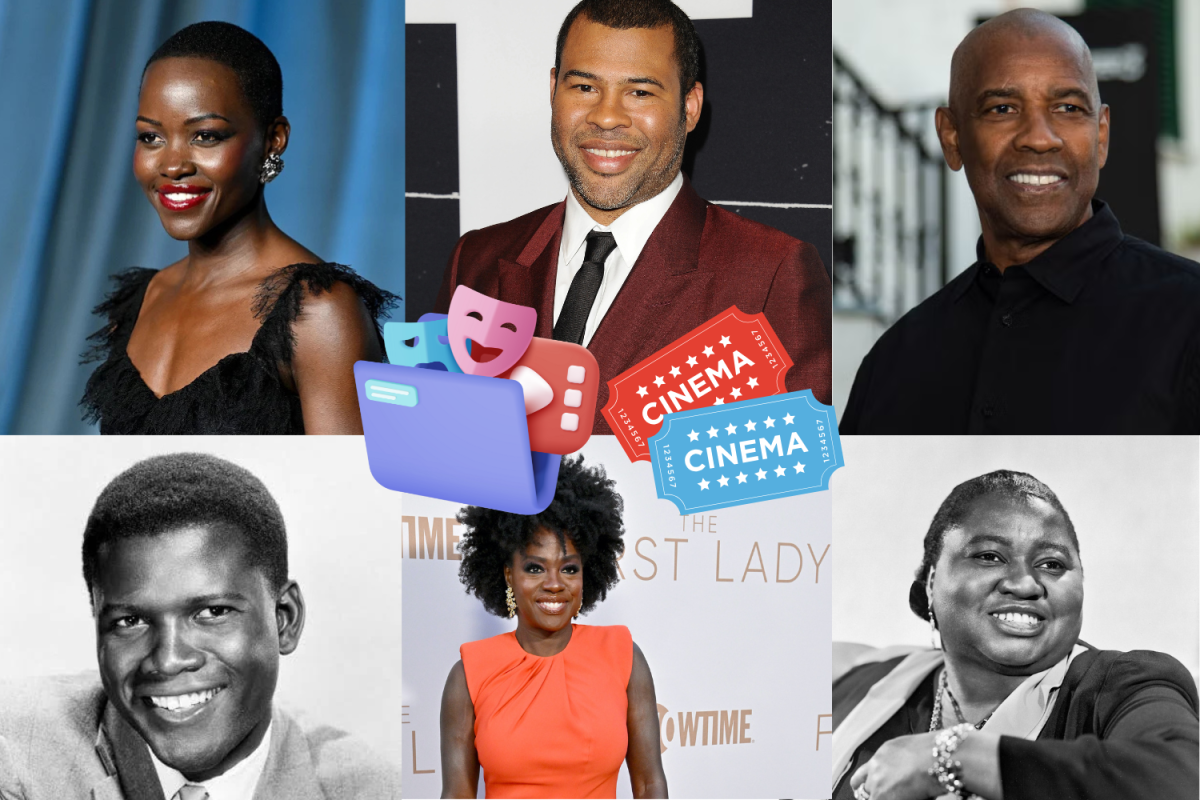
In February of 1940, Ms. Hattie McDaniel was the first Black person to win an Oscar, winning Best Supporting Actress for her role in Gone With the Wind. Although this was a momentous achievement for both Ms. McDaniel and the Black community, segregation laws overshadowed it by forcing her to sit at a separate table during the ceremony, according to apnews.com. Since then, Black visual media has moved from the margins into mainstream culture worldwide, according to whereweconverge.com. Representation in film and television plays an important role in shaping how young audiences imagine success and their own future potential. As entertainment continues to influence global culture, the visibility of Black actors on screen has become a marker of social progress and changing opportunity.
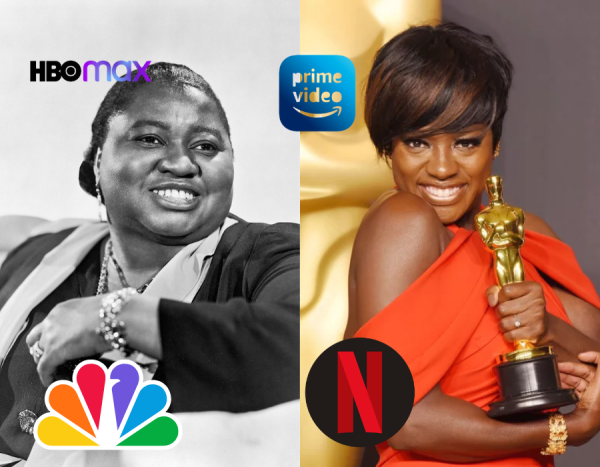
For decades after Ms. McDaniel’s win, the film industry often limited opportunities for Black actors and frequently casted them in stereotypical or supporting roles, according to ukessays.com. Success in Hollywood rarely translated into equal industry power or lasting career stability, and many talented performers struggled to move beyond roles defined by race rather than talent, according to mckinsey.com. However, the rise of streaming platforms and global audiences has expanded opportunities, allowing more Black actors to take on leading roles and reach international audiences, according to bentley-evans.com. As more actors headline major films and television series, their visibility challenges outdated narratives and opens doors for new talent. This shift indicates that Hollywood no longer defines success as simply breaking in, but as sustaining influence and a creative presence within the industry. It also reflects broader industry changes as studios increasingly recognize the value of diverse storytelling and the commercial success of films led by actors of color, according to universityofcalifornia.edu.
The increasing visibility of successful Black actors has also influenced how young audiences view their own possibilities. Seeing actors thrive in mainstream media helps normalize diversity in careers traditionally dominated by white performers and expands ideas about who belongs in leading roles. It also broadens the public perception of who can lead major films, receive awards, and shape popular culture.
Representation extends beyond entertainment, impacting how industries hire talent and how audiences interpret leadership and achievement in everyday life, according to medium.com. When success stories become more diverse, they help dismantle long-standing barriers and encourage younger generations to pursue careers in creative industries that once seemed inaccessible, according to joinarcc.org. As representation increases in the entertainment industry, audiences also become more aware of the importance of authentic storytelling, pushing studios to invest in narratives that reflect a wider range of lived experiences and perspectives. Award-winning filmmaker Ms. Ava DuVernay discussed the challenge of achieving representation in entertainment, according to wsj.com.
“For so long, the conversation around diversity in film has focused on talent, when talent has never been the issue,” Ms. DuVernay said, according to wsj.com. “The real barrier has always been access and opportunity. When Black artists are given the same chances to lead projects, tell stories, and be trusted with big budgets, the results speak for themselves.”

Achievement in entertainment has also evolved alongside representation. Many Black actors are now moving beyond acting roles to become producers, directors, and studio leaders, allowing them to control storytelling and create opportunities for others in the industry, according to barrowgroup.org. Social media and independent production companies have further reduced reliance on stereotypical roles to draw in audiences, enabling actors to build brands and audiences while choosing projects that align with their values, according to wfcn.co. People increasingly measure achievement not only by awards or fame but also by ownership, influence, and the ability to tell genuine stories that resonate with global audiences. This shift empowers actors to shape on-screen portrayals of their communities and experiences and opens doors for future performers. As creative control expands, many actors are also investing in projects that highlight underrepresented voices and create long-term change within the industry, according to barrowgroup.com.
As representation continues to grow, expectations within the film industry are changing as well, according to universityofcalifornia.edu. Audiences now demand diverse stories and casts instead of treating inclusion as optional or exceptional, pushing studios to rethink how they develop and market projects. Industry leaders face increasing pressure to support authentic storytelling and hire creators from varied backgrounds, creating opportunities beyond acting in writing, directing, and production roles. For younger generations, seeing successful Black actors in mainstream media reinforces the idea that success can take many forms, encouraging broader ambitions and helping redefine what achievement looks like in modern culture, according to crreaserch.com. Senior Laurie Starke, a film student planning to pursue a major in film production in college, shared her perspective on how increased representation can shape the future of the film industry.
“As a current film student at Sacred Heart Greenwich and a future Pennsylvania State film student, seeing Black visual media represented in the mainstream has a huge impact on both how I understand film and how I understand myself within the industry,” Laurie said. “Representation isn’t just about being seen on screen. It’s also about having creative control behind the camera, shaping narratives with authenticity rather than stereotypes, which I am able to do in my film career and will continue to do. This is why it is so important to have this type of representation because it inspires other youth of color to take action and take those next steps of progression. It also pushes me to think more critically about whose voices have historically been excluded and motivates me to contribute to a film culture that values diversity, depth, and honest representation.”
Featured Image by Catherine Ononye ’27
