


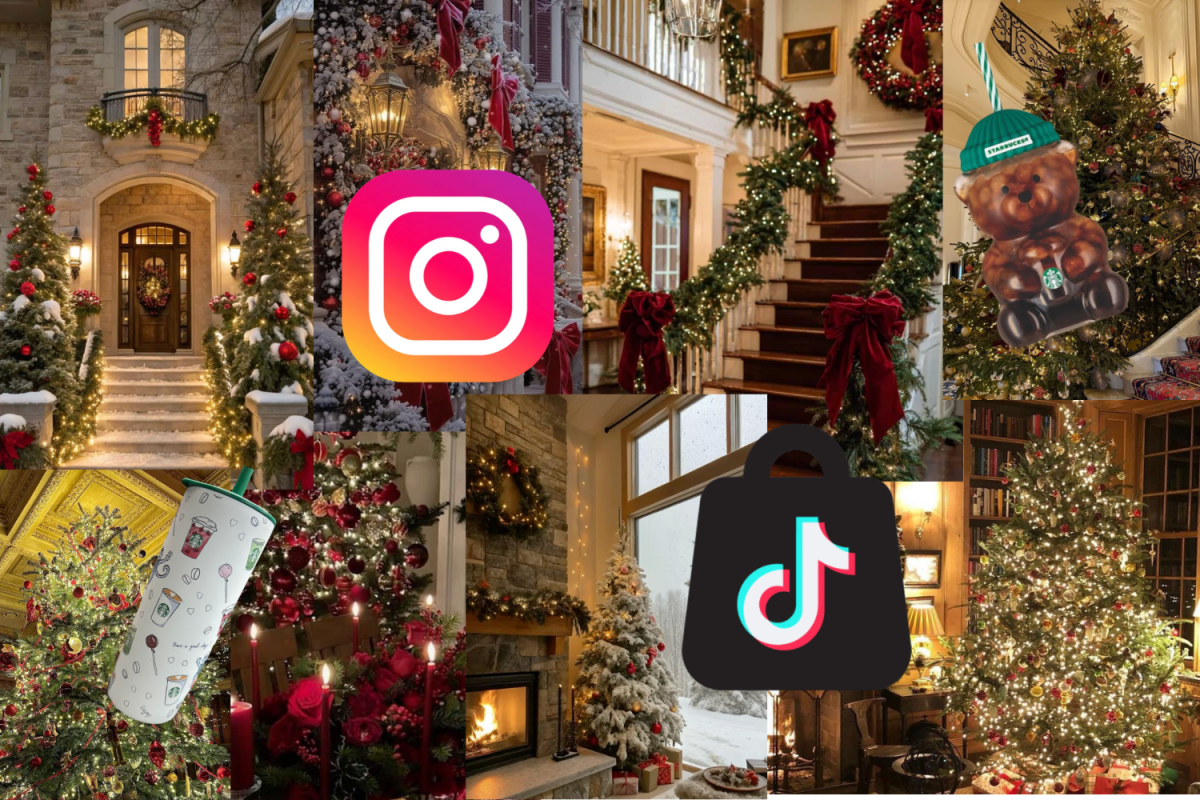
In the midst of the holiday season, social media platforms like Instagram and TikTok bombard American consumers with Christmas trends. Curated algorithms on these platforms pressure viewers to meet aesthetic expectations. Social media trends shape the nation’s holiday season decor, gifts for family and friends, and overall purchases of Christmas-themed items, according to bbc.com.
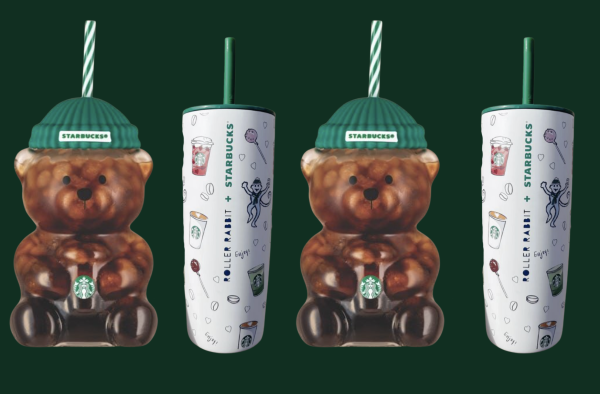
Specifically, two different limited-time holiday-themed Starbucks cups have swept the internet. First, Starbucks released the “bearista” cup November 6 with the holiday menu, according to providencejournal.com. When Starbucks’ young audience learned of the “bearista” cup, it went viral on social media, especially TikTok, leading some to wake up around 4 a.m. to get one, according to 6abc.com. “Bearista” cups are now popping up on resale sites like Mercari for as much as $800 and on eBay for $2.5 million according to today.com. After the hype of the “bearista” cup, Starbucks unveiled its second limited-edition holiday cup December 2, a collaboration with Roller Rabbit, according to usatoday.com. The Roller Rabbit cup, like the “bearista” cup, caught attention from social media platforms. Though there was a larger stock of the Roller Rabbit cups, they still sold out. The drop included six new designs in cold cups, water bottles, mugs, and tumblers, according to goodhousekeeping.com.
Not only has social media increased the purchase of limited Christmas items, but it has also affected seasonal decor. About one-third of people decorating for the holiday season plan on posting their decor online, creating pressure to fit Instagram standards, according to checknew.ca. The specific decor trend on TikTok for the 2025 Christmas season is the “Ralph Lauren” aesthetic, which promotes a cozy, traditional vibe. This brand captured consumers’ attention with its moody, deep reds and greens paired with gold accents, according to forbes.com. Though this trending Christmas aesthetic looks appealing, the holiday season is stressful for many. Unrealistic social media expectations can add to the existing stress of finding gifts or hosting family members, according to forbes.com. Dr. Eugene Lucas, associate professor and coordinator of the distance education Psychiatric/Mental Health Nurse Practitioner program at Wilkes University, commented on the mental effects of social media on consumers this holiday season, according to forbes.com.

“If you are feeling changes in your emotions or mood while viewing social media as the holidays approach, note the platforms causing these feelings and limit exposure to those while increasing exposure to the more positive platforms or focusing on the actual social activities available to you in real life,” Dr. Lucas said, according to forbes.com. “Notify friends and relatives of your desire to avoid or decrease social media exposure in order to increase real feelings of togetherness and worth, which come from in-person gatherings during the holiday season.”
As users scroll through social media this December, creators flood their feeds with advertisements. TikTok’s algorithm caters to users’ interests and displays products in videos, allowing consumers to click a link below to purchase an item. TikTok’s affordable alternatives and easy purchasing process attract eager holiday shoppers. TikTok Shop has items from name brands like GAP, JBL, and Samsung, according to socialmediatoday.com. Sacred Heart Greenwich junior Jane Westbrook spoke about her experience finding Christmas gifts for her family on TikTok Shop.
“At first, I didn’t know what to get my parents for Christmas, but then I searched under the hashtag Christmas on TikTok,” Jane said. “After scrolling through videos, I was able to find affordable gifts for my family by clicking on the link below to purchase, making it easy to find gifts using social media.”
Featured Image by Liv Hegarty ’27